








After a median follow-up of 9.9 months, 38% of the trial participants experienced some degree of tumor shrinkage after receiving Opdivo in combination with Yervoy.
After a median follow-up of 9.9 months, 38% of the trial participants experienced some degree of tumor shrinkage after receiving Opdivo in combination with Yervoy.
The complexity of multiple myeloma can make it difficult to treat, but with complexity comes more avenues for researchers to explore what treatments work best. Recently, CURE® spoke with an expert from Dana-Farber Cancer Institute on what patients can expect to see from the clinical setting.

If a patient with cancer is no longer receiving active treatment and there are no signs of active disease, an expert from The University of Texas MD Anderson Cancer Center suggests they should have a good response to the COVID-19 vaccine, but direct data on this are not yet available.

This study also found that women with higher waist circumferences had a higher risk for cancer-related and all-cause death compared with those with lower waist circumferences.
Results from this blood test may help develop informed treatment plans for pancreatic cancer and potentially help patients avoid unnecessary treatment.

On social media, in honor of the holiday season, CURE® recently asked its readers to share some of the best gifts they either given or received during their cancer treatment.
More than half of the patients (66.7%) in the Venclexta and Rituxan arm who went on to receive subsequent Venclexta-based treatments experienced a partial response or partial nodal response to the therapy.
Among 27 patients with relapsed/refractory chronic lymphocytic leukemia patients who completed all 12 cycles of the triplet therapy, 100% of patients had a complete or partial response to the treatment—with 41% achieving a complete response.

A new grant program offers financial assistance for patients with mesothelioma who must travel for cancer care.

Approximately half of the patients with breast cancer who failed anti-nausea or vomiting therapy for chemotherapy-induced nausea/vomiting during their first cycle of treatment failed to avoid the side effect at some point during the next three treatment cycles.

Tesetaxel, a novel agent, with Xeloda contributed to a median progression-free survival of 9.8 months, compared with 6.9 months with Xeloda alone, in patients with metastatic breast cancer.

Premenopausal women with HR-positive, HER2-negative, lymph node-positive breast cancer and a risk for recurrence experienced benefits with chemotherapy plus endocrine therapy, with improvements in five-year invasive disease-free and overall survival.

The Food and Drug Administration has issued the first emergency use authorization for the Pfizer-BioNTech COVID-19 Vaccine for the prevention of COVID-19 in people 16 years old and older.

An increase in gastrointestinal side effects were found with the more effective combination of oral paclitaxel and encequidar; however, new safety evaluations demonstrated that various antiemetics can help treat these effects in patients with metastatic breast cancer.

In this phase 3 trial, Verzenio with endocrine therapy reduced the risk for invasive disease recurrence and death versus endocrine therapy alone for patients with high-risk, early hormone receptor–positive, HER2-negative breast cancer.

From actor Jason Momoa gifting a trident to a young fan of the superhero movie “Aquaman” who is receiving treatment for an aggressive form of brain cancer, to data demonstrating the regular consumption of chili peppers is associated with lower cancer mortality rates, here’s everything happening in the cancer landscape this week.

While breast cancer survivors had a 45% higher risk of going into preterm labor, there were no significant increased risks of congenital defects or other pregnancy or delivery complications.
The FDA’s Vaccines and Related Biological Products Advisory Committee voted in favor of granting BNT162b2, the COVID-19 vaccine developed by Pfizer and BioNTech, emergency use authorization.

Prior to receiving behavioral interventions, more than half of participating young survivors of breast cancer were considered clinically depressed. That number dropped to 30% after participants received mindfulness meditation and survivorship education classes.
Women with higher diet adherence scores after diagnosis had a 33% lower risk for all-cause mortality and a 17% lower risk for mortality related to breast cancer compared with women with lower diet adherence scores.
This week on the “CURE® Talks Cancer” podcast, we spoke with renowned street artist James Cochran about one of his art projects that was commissioned to symbolize the creativity and commitment of those who work tirelessly to eradicate cancer.

Of note, the results indicated that patients with breast cancer who were younger than 60 and of Black or other race were more likely to experience under-recognized symptoms by their physician.

Recently presented data demonstrated that a combination of oral paclitaxel and Encequidar elicited promising results in patients with radiation-associated breast angiosarcoma.
In addition to having greater efficacy, the combination of oral paclitaxel and encequidar demonstrated lower rates of chemotherapy-induced peripheral neuropathy in patients with metastatic breast cancer compared to intravenous paclitaxel.

Younger age, breast cancer diagnosis, Medicaid insurance and treatment type were associated with an increased risk for women becoming new chronic users of opioids or sedatives/hypnotics following mastectomy with reconstructive surgery.
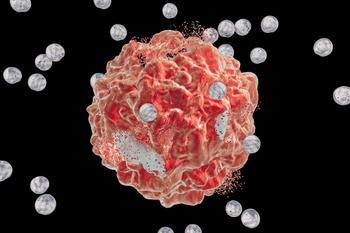
The combination of ublituximab and umbralisib, two novel compounds, was able to safely prolong progression-free survival with low rates of toxicities in patients with chronic lymphocytic leukemia compared with standard of care chemoimmunotherapy regardless of prior treatment.
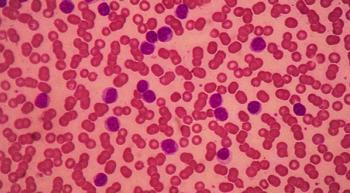
At a median follow-up of 25.9 months, 17% of the patient population who received Calquence monotherapy experienced a cardiac toxicity of any severity, which led to treatment discontinuation in only seven patients.
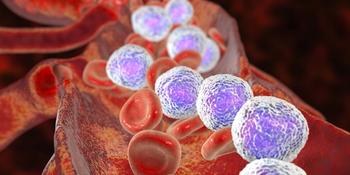
The early study of the investigational CAR-T cell therapy lisocabtagene maraleucel shows how patients with relapsed/refractory CLL/SLL may have a viable new treatment option.

This data, according to a resident physician at Brigham and Women’s Hospital, highlights the need for systematic mental health screening and management for individuals with blood cancers.

Do you have a favorite recipe that has helped you through cancer treatments and recovery? CURE® invites you to participate in its Second Annual Recipe Swap by sharing your favorite meals, side dishes and snacks.