







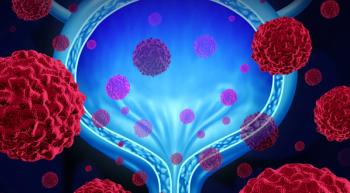
The IMvigor130 trial showed chemotherapy plus immunotherapy in patients with metastatic urothelial cancer could prolong the time to disease progression.
The IMvigor130 trial showed chemotherapy plus immunotherapy in patients with metastatic urothelial cancer could prolong the time to disease progression.

A friend of mine told me the other day how a new song on the radio makes her think of my late husband Matthew. I remember them, too, I said. But I didn't, however, tell her about all the memories of him that are starting to fade.

A physical therapist and testicular cancer survivor shares the health benefits of rehabilitation after cancer.

Two patients with metastatic breast cancer shared their journeys, inspiring fellow patients at Susan G. Komen Greater New York City’s New York Metastatic Breast Cancer Conference.
An ovarian cancer survivor shares what she wishes she had known then with those who are newly diagnosed.

A blood test may help to identify the best treatment option for patients with ALK-positive, advanced non-small cell lung cancer, sparing patients from having to undergo an invasive biopsy.

Dr. Patrick I. Borgen discussed estrogen receptor-positive breast cancer and why it is important for patient to understand what this means for their treatment.

Obese patients being treated for breast or prostate cancer showed higher levels of mental and physical distress than nonobese patients with these diseases, but the pattern did not hold true in those with colorectal cancer, according to a study.
Cancer can bring others to love into our lives. This can be costly, but I choose to believe it is worth it.

A recent study found no different in disease recurrence among men with prostate cancer when they were given radiation after surgery or not.

How the high cost of cancer leaves many choosing between physical, financial and emotional health.
A cancer survivor and clutter-clearing author shares autumnal time management tips.
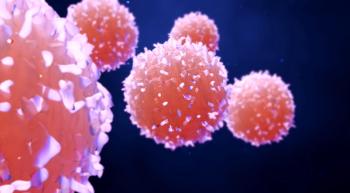
The tumors of patients with non-small cell lung and renal cell cancer shrunk following treatment with pegilodecakin plus immunotherapy.

Reading, writing, art, music... CURE recently asked its social media audience to share the creative outlets and activities that have helped them on their cancer journey. Here are some of their responses – in the hopes of helping others find a new hobby of their own.
Like many people who receive a cancer diagnosis, one survivor questions the reason.

From Matthew Knowles revealing a male breast cancer and BRCA2 diagnosis to a sarcoma survivor donating thousands of toys in lieu of birthday presents, here’s what is making headlines in the cancer space this week.

Knowing your family history is the first preventative step any woman can take to avoid a diagnosis of ovarian cancer.

Phase 3 trial findings showed that treatment with Lynparza delayed disease progression by about four months compared with newer hormonal agents in pre-treated patients with metastatic castration-resistant prostate cancer and faulty DNA repair genes.
Every cancer survivor has days when negative thoughts take over. Why not use visualization of video games to get rid of the self-defeating ideas?

Here’s a look at what’s inside our 2019 Immunotherapy special issue.
An early clinical trial participant likens his journey into the unknown to a space mission.
Searching for healthcare information online is a fact of life. Here are some ideas for how to do it responsibly.

"I don’t have cancer, but here I am. This is my life. This is my reality. I am BRCA positive."
A man who received chimeric antigen receptor-T cell therapy shares his firsthand account.

CURE spoke with an expert on how patients can better advocate for themselves when it comes to genetic testing and its follow-up.
Let music keep you company during and after cancer.

Here are the top five CURE stories for September 2019.
Although there is much to learn about the intricacies of how the immune system interacts with cancer, advances are occurring rapidly as immunotherapy for cancer has exploded with myriad ongoing clinical trials and newer drugs coming on line constantly.

Readers of CURE share the ways that cancer has changed their lives.
In this special issue of CURE®, we take a walk through history, from revisiting the major medical milestones of immunotherapy to reviewing how far it has come in cancer treatment.