









Ficerafusp alfa enters phase 2/3 trial for recurrent/metastatic head and neck cancer, evaluating its combination with Keytruda for first-line treatment.
Ficerafusp alfa enters phase 2/3 trial for recurrent/metastatic head and neck cancer, evaluating its combination with Keytruda for first-line treatment.

In a real-world analysis of patients with advanced RCC, the combination of first-line Bavencio and Inlyta was effective and safe.

My pet provided emotional support and helped me tolerate chemotherapy better, reducing my stress and improving my well-being throughout my cancer journey.
Dr. Catherine Wu discussed the unique aspects of clear cell renal cell carcinoma and the challenges of targeting it with a vaccine.

Dr. Nataliya Uboha explained the benefit of treatment with Krazati combined with Erbitux in KRAS G12C–mutant metastatic colorectal cancer.

Patients with advanced urothelial carcinoma had prolonged survival with Bavencio and BSC treatment, regardless of diabetes mellitus status.

Updated TIDE-A study findings show that maintenance Bavencio with Inlyta treatment interruption is feasible in patients with metastatic renal cell carcinoma.

Dr. Debu Tripathy breaks down the FDA approval of Enhertu in unresectable or metastatic HR-positive, HER2-low or -ultralow breast cancer.

I often reflect on my emotional changes following a testicular cancer diagnosis and how I learned to manage them and grow.
Dr. Katy Beckermann discusses how a Fotivda and Opdivo combination for renal cell carcinoma compared with Fotivda alone based on patient feedback.

It’s a $4 billion a year industry that includes fraudulent anti-cancer drugs and opioid medications. Here is what patients need to know about the risk of counterfeit drugs.

SBRT improved local progression-free survival over RFA in small recurrent HCC, particularly in tumors 2 cm or less.

Among patients with low-grade, intermediate-risk NMIBC, UGN-102 generated robust, durable responses in an analysis of the phase 3 ENVISION and ATLAS studies.
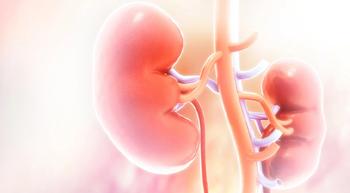
All nine patients treated with a personalized cancer vaccine following removal of their tumors remained cancer-free at a median data cut-off of 34.7 months.

My annual scan showed no cancer recurrence, but revealed some minor issues related to aging and potential fibroids, requiring monitoring and follow-up.

Dr. Petros Grivas discusses what precautions should be considered when treating patients with advanced urothelial carcinoma who have diabetes.

The FDA has granted orphan drug designation to the oral agent OPN-6602 for the treatment of patients with relapsed or refractory multiple myeloma.

Padcev plus Keytruda was found to maintain benefit over chemotherapy in untreated locally advanced or metastatic urothelial cancer.

Dr. Debu Tripathy discussed the importance of understanding the distinctions between HER2-low and HER2-ultralow breast cancer.

Among patients with muscle-invasive bladder cancer, adjuvant Opdivo showed a continued benefit in survival versus placebo.

Faith, from my perspective, is believing in the unseen, and was something I rediscovered following my colon cancer diagnosis.

Primary urothelial cancer has variable histologies, making its treatment complex, leading to varied outcomes with high rates of recurrence in patients.
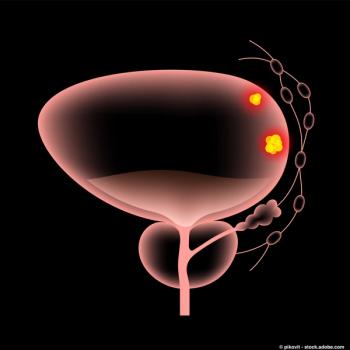
Among patients with suspected MIBC, the incorporation of mpMRI for initial staging prior to transurethral resection of bladder tumor was beneficial.

The addition of nab-paclitaxel to gemcitabine and cisplatin did not improve survival in advanced biliary tract cancer.
There are differences in prostate cancer treatment intensification adoption between academic and nonacademic physicians.

Patients with intermediate-risk prostate cancer had a 15-year prostate cancer–specific survival rate of 91% with EBRT, with or without short-term ADT.
Patient-reported outcomes were similar for Fotivda with or without Opdivo in advanced clear cell RCC.

Opdivo plus Cabometyx resulted in a significant progression and survival benefits compared with Sutent in the first-line treatment of patients with advanced renal cell carcinoma.
Final results were consistent with previously conducted research in patients with advanced renal cell carcinoma treated with Cabometyx, Opdivo and Yervoy.

Among patients with clear cell renal cell carcinoma, improved responses were observed with Lenvima plus Welireg versus Keytruda plus Lenvima.