










Each spring, I find strength and hope in the daffodils I grow, helping me face chronic lymphocytic leukemia with renewed determination.
Each spring, I find strength and hope in the daffodils I grow, helping me face chronic lymphocytic leukemia with renewed determination.

The first patient with small cell lung cancer has been dosed in a phase 1/2 trial investigating first-line iadademstat plus immune checkpoint inhibitors.
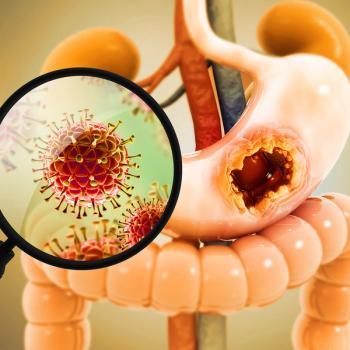
The first patient has received TCMCB07 in a phase 2 trial to prevent weight loss in patients with metastatic colorectal cancer undergoing chemotherapy.

Deferring upfront CNS-directed radiation in EGFR-variant and ALK-positive NSCLC may improve outcomes but raises treatment-related toxicity risks.

Radiation therapy for gastrointestinal cancers is more precise and easier to tolerate due newer technologies and personalized care, according to experts.

Dr. Petros Grivas discusses the importance of tailoring treatment decisions in bladder cancer based on data from three practice-changing phase 3 trials.

Antibody-drug conjugates combined with immunotherapy have redefined the standard of care for advanced bladder cancer, replacing single-agent treatments.
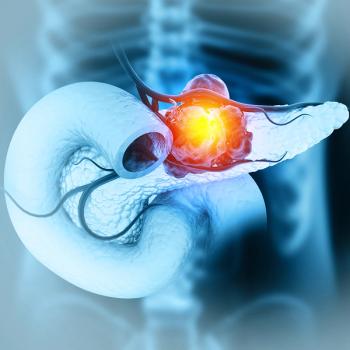
Experts at Hackensack Meridian Jersey Shore University Medical Center have successfully treated their first patients using the TAMP™ therapy platform.

I stay in the cancer social media world because it helps me cope, even when friends disappear and I’m left wondering if they’re resting, retreating or gone.

U.S. medical centers are seeking FDA authorization for the compassionate use — or expanded access — of Namodenoson for patients with pancreatic cancer.
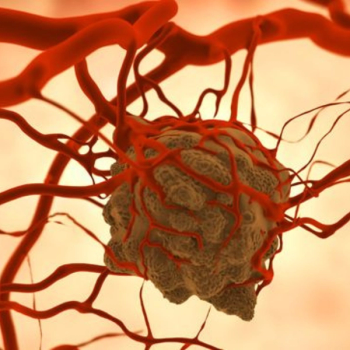
Emactuzumab has received fast track designation from the U.S. FDA for patients with tenosynovial giant cell tumors and who would not benefit from surgery.

Patients with gastrointestinal cancer may benefit from multidisciplinary care and open communication with their care team, as per an expert.

A supplemental Biologics License Application has been submitted to the FDA for Anktiva plus BCG in papillary NMIBC.

TLX101 therapy was efficacious in recurrent high-grade glioma, a type of brain cancer, according to preliminary results from the phase 2 IPAX-Linz study.
The addition of smoking status to the National Cancer Database might inform more effective treatment for smokers with cancer.

After a mammogram and breast cancer scare, a Broadway show provided a welcome distraction and joy, reminding me of life's beauty.

Bria-IMT plus check point inhibitors had a median overall survival which outperformed that of antibody-drug conjugates in HR+ metastatic breast cancer.
Treatment with bexmarilimab and Vidaza elicited high overall response rates in both frontline and relapsed/refractory higher-risk myelodysplastic syndrome.

Dr. Nataliya Uboha sat down to discuss the early warning signs of esophageal cancer, as well as important key takeaways for those with the disease.

Erleada reduced the risk of death by more than 20% compared with other treatments in metastatic castration-sensitive prostate cancer.

Subcutaneous Opdivo showed comparable effectiveness, safety and tolerability to IV Opdivo in advanced clear cell renal cell carcinoma.

What is lovely never dies, but passes into other loveliness, Stardust or seafoam, flower or winged air. ― Thomas Bailey Aldrich
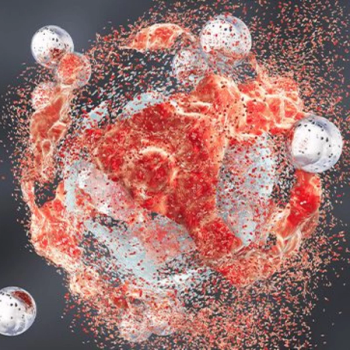
Pheast Therapeutics has treated the first patient in a phase 1 trial of PHST001, a novel macrophage checkpoint inhibitor for advanced solid tumors.
A phase 2a clinical trial of NEO100-01 is continuing to recruit patients with malignant gliomas, with full enrollment expected in September.

Nubeqa plus hormone therapy improved outcomes in metastatic prostate cancer, reducing disease progression and showing a favorable safety profile.

Tara Sweeney, BSN, RN, OCN, CHPN discussed best care for the health and well-being of a person across all stages of their cancer survivorship.
Advancements in radiation therapy, including proton therapy and stereotactic radiation, reduce side effects and improve quality of life for GI cancer.

The FDA has approved Cabometyx for some patients 12 years old and older with previously treated neuroendocrine tumors.

Experiencing spring's renewal after a cancer diagnosis, I focus on health through checkups, diet and exercise, embracing change and well-being.

AU-007, combined with Opdivo and low-dose aldesleukin, has entered a phase 2 melanoma trial, with early data showing activity and manageable safety.