
Conference Coverage
about 2 months ago
Why Patient Voices Matter: A Liver Cancer Advocate at ASCOLatest Content
Sep 02, 2026 | Feature
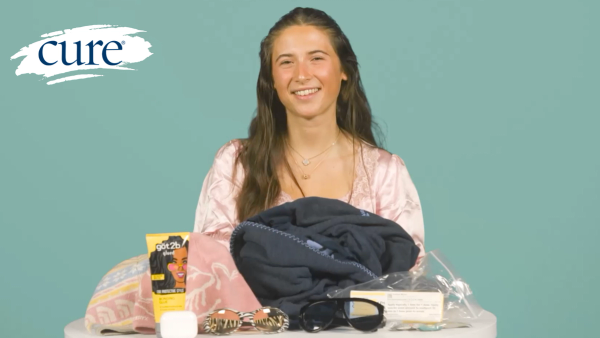
Diagnosed With Ovarian Cancer at 15: 10 Things That Helped Brynn Forlizzi Through Treatment

6 Cancer Drugs FDA Approved in August 2026 and What They Mean for You
Sep 02, 2026
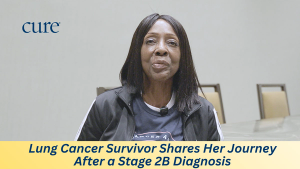
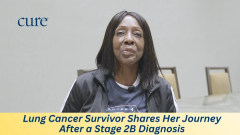
Lung Cancer Survivor Shares Her Journey After a Stage 2B Diagnosis
Sep 01, 2026
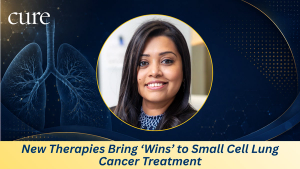
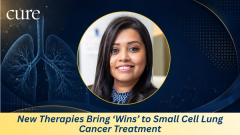
New Therapies Bring ‘Wins’ to Small Cell Lung Cancer Treatment
Sep 01, 2026
Rob Lowe on His Grandmother's Cancer Journey and Why Clinical Trials Matter
Sep 01, 2026

Advertisement
Shorts
1:10
Can Weekly Check-Ins Improve Cancer Care?
a day ago
by
Kaitlyn M. Le
1:00
The Cancer Search Bar with Dr. Silverman
5 days ago
by
Dr. Andrew Silverman
0:15
How Genitourinary Cancer Treatment Decisions Are Made
7 days ago
by
Kaitlyn M. Le
1:29
Most Searched Questions in Lung Cancer
7 days ago
by
Dr. Chinmay Jani
0:50
How Breast Cancer Research Is Changing Treatment
7 days ago
by
Dr. Zunairah Shah
0:51
The Importance and Support of Lung Cancer Advocacy
7 days ago
by
Quincy Attobrah
0:25
Covered, But Still Denied: How Part D Works
12 days ago
by
Kaitlyn M. Le
1:53
When a Mother and Wife Gets Cancer
16 days ago
by
Quincy Attobrah
0:50
Overcoming Lung Cancer: A Journey of Resilience and Recovery
21 days ago
by
Kaitlyn M. Le
0:37
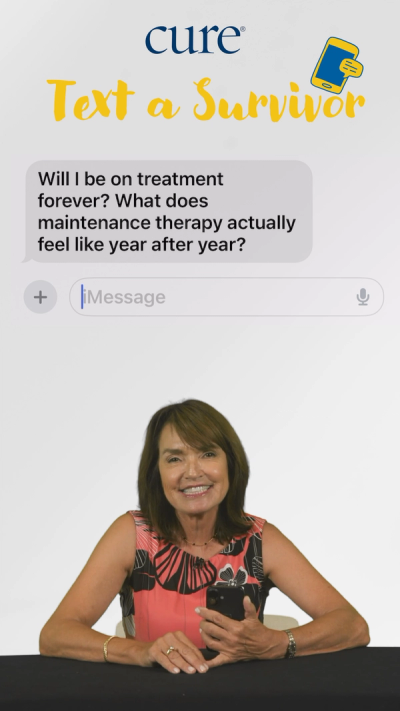
Text a Survivor: Living With Multiple Myeloma
22 days ago
by
Spencer Feldman(+1 more)
Podcasts
Videos


All News
Advertisement
Advertisement
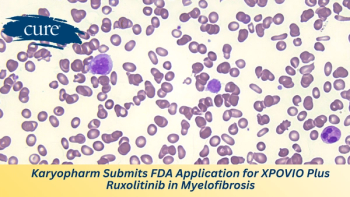
Karyopharm submitted an FDA application seeking accelerated approval for XPOVIO plus ruxolitinib for patients with myelofibrosis.

Tagrisso plus Orpathys improved progression-free survival in patients with EGFR-mutated lung cancer and MET overexpression, SANOVO trial shows.

A cancer survivor reflects on body image, grief and emotional healing 12 years after treatment, and why healing doesn’t have to be perfect to be real.

The A-NEW study found that 42% of breast cancer survivors with slower early weight loss reached the 5% goal after Contrave was added.
FDA approves BESREMi for adults with essential thrombocythemia, offering a new treatment option for people living with this rare blood cancer.
FDA approves Mimrylo (rusfertide) for adults with polycythemia vera, offering a new treatment approach that may reduce the need for frequent blood draws.

After breast cancer treatment ends, survivorship can bring unexpected challenges. One survivor shares how she learned to heal and redefine who she is.
A stage IV kidney cancer survivor shares how 10 years of treatment changed his view of success, uncertainty, fear and finding meaning in everyday life.

Ivonescimab plus chemotherapy improved survival compared with Imfinzi plus chemotherapy in patients with previously untreated advanced biliary tract cancer, according to phase 3 findings.

A breast cancer survivor reflects on managing lymphedema, navigating Dupuytren’s disease and finding perspective when new health challenges arise.
Advertisement

Theresa Gannon’s compassion, leadership and dedication to patients and fellow oncology nurses make her an Extraordinary Healer Award nominee.
Dr. Maria Margarete Karsten discusses how weekly symptom monitoring helped identify changes between visits and what patients told her about using it.
Final phase 1 results showed lasting responses to soquelitinib in some patients with relapsed or refractory T cell lymphoma.
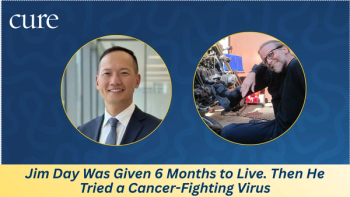
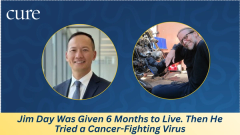
Jim Day was told he had six months to live after a stage 4 melanoma diagnosis. A cancer-fighting virus helped shrink his tumors and gave him hope.

A UCLA study found patients with cancer who used biosimilars paid less out of pocket, and their insurers paid far less, than those on brand-name biologics.
Advertisement
Advertisement
Trending on CURE
1
Healing After Cancer Doesn’t Have to Be Pretty to Be Progress
2
New Therapies Bring ‘Wins’ to Small Cell Lung Cancer Treatment
3
When Lymphedema Meets a New Challenge: Learning to Navigate the Unexpected
4
6 Cancer Drugs FDA Approved in August 2026 and What They Mean for You
5