
Conference Coverage
Latest Content

Sep 26, 2026 | Blog
I’m Jealous of the World — and Grateful I Got to Be Part of It
5 Years of FDA Approvals in Lymphoma: Who They've Helped and What Comes Next
Sep 25, 2026
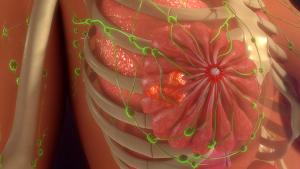
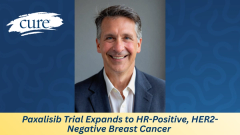
How Paxalisib Is Being Studied in Treatment-Resistant Breast Cancer
Sep 25, 2026
Three August Blood Cancer Approvals and What They Mean for Care
Sep 25, 2026

Walking Linked to 26% Lower Odds of Severe Fatigue After Colorectal Cancer
Sep 25, 2026

Advertisement
Shorts
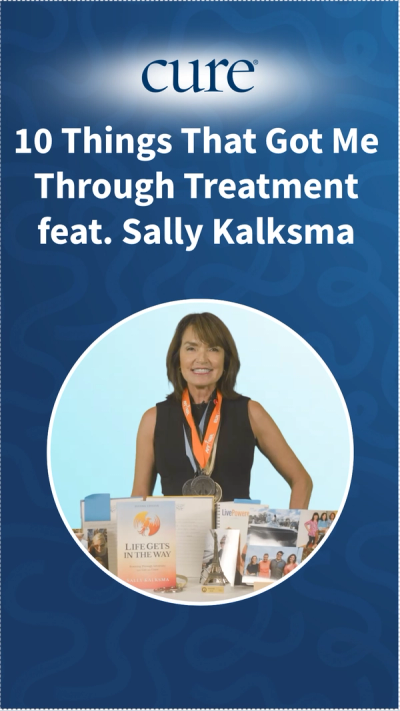
0:44
10 Things That Got Me Through Treatment feat. Sally Kalksma
3 days ago
by
Sally Kalksma
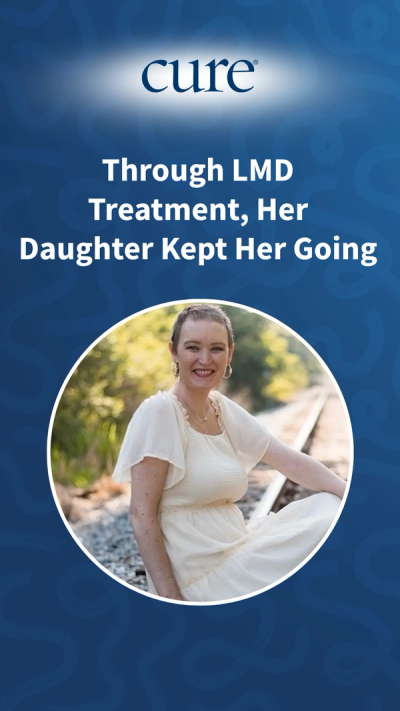
1:10
Through LMD Treatment, Her Daughter Kept Her Going
3 days ago
by
Kaitlyn M. Le
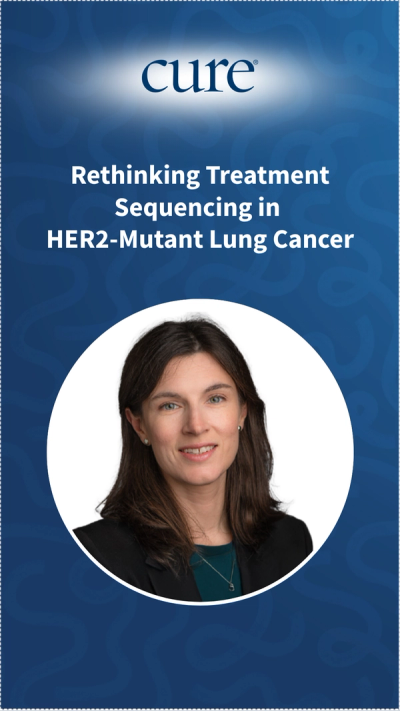
0:19
Rethinking Treatment Sequencing in HER2-Mutant Lung Cancer
6 days ago
by
Kaitlyn M. Le
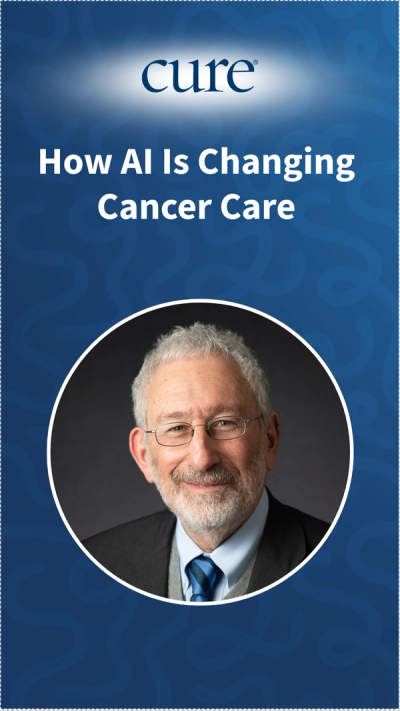
0:23
How AI Is Changing Cancer Care
6 days ago
by
Dr. Maurie Markman

0:30
Essential Advice for Cancer Caregivers
10 days ago
by
Spencer Feldman

0:35
Why Clinical Trial Deserts Are Harming Patients
17 days ago
by
Kaitlyn M. Le

1:00
The Danger of Cutting Ostomy Costs
17 days ago
by
Kaitlyn M. Le
1:00
Weight Loss After Breast Cancer Is Not One-Size-Fits-All
19 days ago
by
Kaitlyn M. Le
0:41
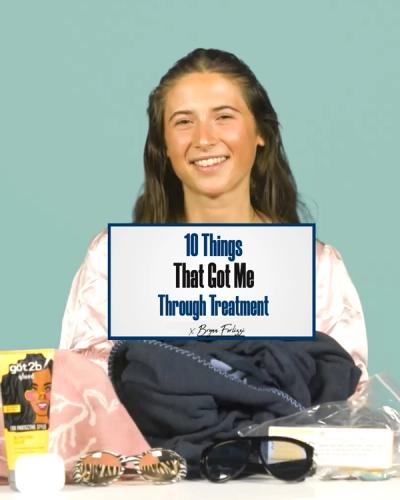
10 Things That Helped Brynn Forlizzi Through Treatment
24 days ago
by
Brynn Forlizzi

0:30
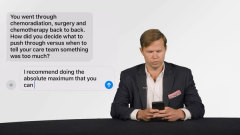
Introducing Text a Survivor, CURE's new series connecting your questions with people who've lived it.
25 days ago
by
Spencer Feldman






Videos

All News
Advertisement
Advertisement
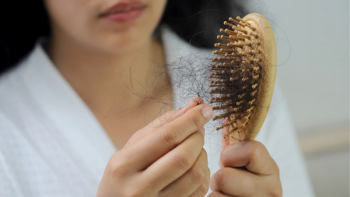
CURE spoke with Oncology Aesthetics & Wellness founder, Deborah A. McDowell, about hair preservation before, during and after cancer treatment.
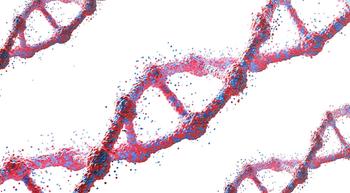
A genomic test led physicians to change extended endocrine therapy recommendations for 42% of people with early-stage HR-positive breast cancer.

A wife reflects on her husband’s cancer treatment, finding comfort, hope and connection in their simple ritual of sharing bagels before each treatment.

Survivors and experts share what to do before your first chemo infusion, from scalp cooling and saving your hair to skin care and building a support team.
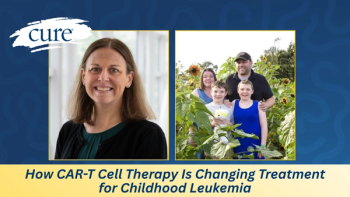
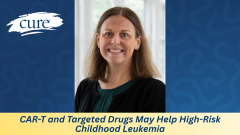
After two relapses of acute lymphoblastic leukemia, Hannah Koepsell received CAR-T cell therapy. A pediatric oncologist explains why leukemia can return after treatment and how researchers are working to make CAR-T responses last longer.
FDA approves Welireg plus Lenvima for advanced clear cell kidney cancer after PD-1 or PD-L1 treatment, offering a new treatment option.

These seven breast cancer clinical trials are recruiting patients now, spanning early-stage, HR-positive, HER2-positive and triple-negative disease.

Two sisters discover they share a BRCA2 mutation, but choose different paths to manage their breast cancer risk and navigate life as previvors.
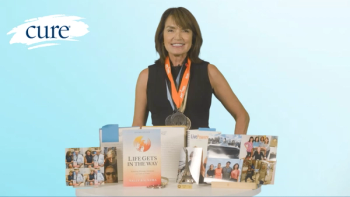
After 18 years with multiple myeloma, Sally Kalksma shares 10 people, places and things that helped her stay strong through cancer treatment.
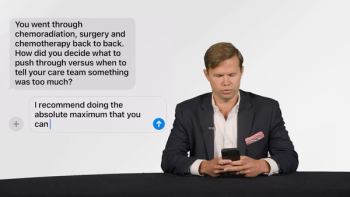
In the latest installment of CURE's "Text a Survivor" series, Brad Moore answers some of the most common questions people have about living with and beyond a colorectal cancer diagnosis.
Advertisement

Lyrfigtu was approved for adults with previously treated cholangiocarcinoma with an FGFR2 gene fusion or other rearrangement.
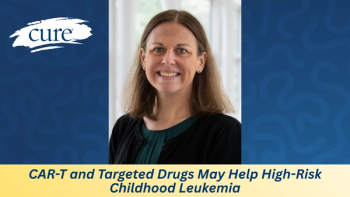
Researchers are studying whether combining CAR-T cell therapy with targeted drugs could help children with high-risk leukemia, including infants whose cancer may be more likely to return after treatment.

Mindfulness-based cancer recovery and Tai Chi/Qigong improved fatigue and how much pain interfered with daily life among cancer survivors experiencing distress, while Tai Chi/Qigong also improved sleep quality.

A breast cancer survivor reflects on the complicated meaning of pink, remembering what cancer took, those still fighting and the people behind the ribbon.
Paxalisib, first studied in brain cancer, may help HR+ breast tumors respond to CDK4/6 inhibitors again, based on early lab data.
Advertisement
Advertisement
Trending on CURE
1
My Sister and I Share a BRCA2 Mutation. We Didn’t Make the Same Choices
2
Could a Genomic Test Spare You Extra Years of Hormone Therapy?
3
I’m Jealous of the World — and Grateful I Got to Be Part of It
4
10 Things That Got Me Through Treatment feat. Sally Kalksma
5