
Dr. Samyukta Mullangi shares how AI can help patients understand oncology visits, ask better questions, and feel more engaged in their care.

Ryan Scott is a Former Editor of CURE; she joined MJH Life Sciences in 2021 up until 2026.
Dr. Samyukta Mullangi shares how AI can help patients understand oncology visits, ask better questions, and feel more engaged in their care.
Dr. Tony Anderson discusses balancing cancer treatment timing with fertility preservation and the ethical importance of long-term planning for stored gametes.

A patient details diagnosis, transplant treatment and the complex path to recovery and survivorship after leukemia.
Dr. Ramy Sedhom highlights screening and care pathways that improve outcomes and strengthen psychosocial support for patients with cancer.
Dr. Anderson explains that the window following a cancer diagnosis represents a pivotal period for patients to make informed decisions about fertility preservation.
Immunotherapy boosts the immune system to fight cancer but may cause skin side effects; early reporting helps manage symptoms and keep treatment on track.
Caroline Taylor discusses how disparities in access and resources affect diagnosis, treatment, and survival for patients globally.
Dr. Thomas Flaig discusses new therapies, biomarkers and evolving care strategies in an interview with CURE.
Dr. Charles Peyton discusses the growing number of bladder cancer therapies and emphasizes the importance of personalized care and patient education.

Stage 1 urothelial carcinoma is highly treatable; learn about diagnosis, treatment options and how to reduce recurrence risk through ongoing monitoring.

A leukemia survivor shares how her experience inspired a national support network for young adults navigating cancer and survivorship.

An expert highlights global barriers to cancer care and outlines solutions to improve access, education and equity for patients worldwide.

An oncology social worker discusses the unique psychosocial challenges younger adults face during cancer treatment and survivorship.
Experts highlight the need for tailored care strategies to address fertility, financial strain and survivorship challenges in younger adults with cancer.
A newly approved all-oral combination for CLL offers patients a fixed-duration option, reducing clinic visits and expanding personalized care.
An expert explains ostomy bags and how new technologies are improving comfort and quality of life after colorectal cancer surgery.

New data highlight colorectal cancer rates in younger adults, emphasizing the need for earlier screening, symptom awareness and timely diagnosis.
Research shows lifestyle and gut bacteria may drive early-onset colorectal cancer, emphasizing diet and healthy habits to help lower risk.
A couple opens up about navigating cancer care, advocating for themselves and balancing caregiver responsibilities with self-care.
A couple shares how caregiving, communication and perspective shaped their life after liver cancer.

Amanda shares advice on resilience, self-advocacy and finding strength while navigating cancer survivorship and chronic GVHD.
Experts highlight rising cancer rates in younger adults and the need for tailored support, treatment and survivorship care across the continuum.
Amanda discusses the hidden challenges of chronic GVHD and how advocacy and storytelling help her support others facing similar struggles.

A study found microplastics in prostate tumors, with higher levels in cancer tissue, prompting further research into potential links and health effects.

A living liver donor shares recovery challenges, emotional rewards and advice for those considering donation to help save a life.
Amanda shares how a sudden leukemia diagnosis led to a life-saving transplant and the ongoing challenges of chronic graft-versus-host disease.
A son shares his decision to become a living liver donor, offering his father a second chance after a cancer diagnosis.

New strategies in mCRPC focus on sequencing, genomics and earlier use of targeted therapies to improve outcomes for patients.
Top experts share the latest bladder, kidney and prostate cancer advances from the 2026 ASCO GU Symposium, highlighting patient impact.
Personalized treatment, exercise and supportive care improve outcomes for patients with metastatic hormone-sensitive prostate cancer.
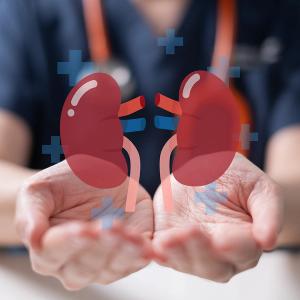
Published: August 22nd 2025 | Updated: August 25th 2025
Published: January 28th 2025 | Updated: May 19th 2025
August 24th 2025

November 5th 2025