

Charles Walker joins CURE’s Gina Mauro to share his long and road to a liver cancer diagnosis and the importance of being your own medical advocate.

Ryan Scott is a Former Editor of CURE; she joined MJH Life Sciences in 2021 up until 2026.
Charles Walker joins CURE’s Gina Mauro to share his long and road to a liver cancer diagnosis and the importance of being your own medical advocate.
In a recent CURE conversation, Charles Walker shared how months of unexplained fatigue and back pain ultimately led to a life-altering diagnosis.

Stage 3 ccRCC is locally advanced but often treatable. Learn how it is diagnosed, treated, and managed to support informed decisions with your care team.
Dr. Maral Kibarian Skelsey discussed how advances in genetics and genomics are reshaping the understanding of skin cancer risk and prevention.
Dr. Jesse Miller Lewin sat down with CURE to discuss how advances in systemic and local therapies are reshaping the treatment landscape for skin cancer.
Dr. Meredith Pelster sat down for an interview with CURE to discuss new data surrounding new treatment outcomes for metastatic pancreatic cancer.

Fred Batchelor, a liver cancer survivor, shares lessons on advocacy and why World Cancer Day keeps patients, families and their communities engaged.
In honor of World Cancer Day, CURE sat down with experts and advocates to discuss the importance of this initiative.
Dr. Suneel Kamath walks patients through what they need to know about their gastrointestinal cancers following major oncology meetings.

Stage 2 ccRCC is treated with surgery, and patients should discuss partial nephrectomy, adjuvant therapy, and follow-up care with their oncology team.
Dr. Suneel Kamath highlighted advances in biomarker-driven therapies and emerging frontline regimens following the 2026 ASCO GI Cancers Symposium.
Dr. Brittany Dulmage explains how biotin can interfere with lab testing and discusses safer, evidence-based options for managing cancer-related hair loss.
Dr. Ariel Ostad explains how addressing uncertainty and scananxiety through communication and support can improve the cancer care experience for patients.

As patients with advanced cancer near the end of life, reducing unnecessary medications may help prioritize comfort, quality of life and symptom relief.

Stage 2 essential thrombocythemia is a slow-growing blood cancer managed with monitoring or treatment to reduce clot risk and control symptoms.
Experts highlight key themes from the ASCO GI Cancers Symposium, including the growing role of AI and an increased emphasis on patient-centered decision-making.

The allogeneic CAR-T therapy aims to expand urgently needed options for children and adults with aggressive T-cell blood cancers.

The FDA granted orphan drug designation to zavabresib, an investigational therapy for the treatment of myelofibrosis, a rare blood cancer.
CURE spoke with advocate Karen Hoyt about liver cancer, liver disease, and liver health, highlighting silent risk, misconceptions and need for awareness.

Patient education and individualized navigation can improve genomic testing uptake and downstream participation in genomics-based clinical trials.

Patients with advanced gastric cancer received PD-1 inhibitors at similar rates across racial groups, although overall use remained limited in real-world care.
A chronic myeloid leukemia diagnosis can be daunting, but its management is one of modern oncology’s greatest success stories.
Providing patient-centered education and navigation support significantly increases consent rates for genomic testing, making testing integration feasible.

The American Cancer Society’s 2026 Cancer Statistics report shows the five-year survival rate for all cancers has reached a record high of 70%.

Updated data from GOBLET Cohort 4 demonstrated activity with Reolysin plus Tecentriq in patients with third-line metastatic squamous cell anal carcinoma.

Receiving a diagnosis of stage 1 clear cell renal cell carcinoma can be a shock, but this is the most common and most treatable stage of kidney cancer
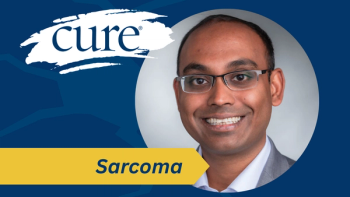
Dr. Vinayak Venkataraman sat down for an interview with CURE to discuss the evolving treatment of gastrointestinal stromal tumors.

Receiving a diagnosis of stage 4 renal cell carcinoma can be overwhelming, but the treatment landscape has changed in recent years. Learn more from CURE.
Dan, a pancreatic cancer survivor and advocate, shared insights on participating in clinical trials and the importance of self-advocacy.
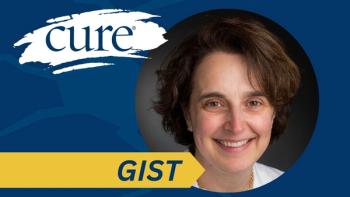
Dr. Suzanne George sat down with CURE for an interview to discuss the ongoing phase 1/2 DCC-3009 study in advanced gastrointestinal stromal tumor.