
New EGFR-targeting combos may improve response rates and durability for patients with head and neck cancer.
New EGFR-targeting combos may improve response rates and durability for patients with head and neck cancer.
Dr. Alexander Meves explains how the Merlin CP-GEP test uses molecular data to help melanoma patients safely avoid unnecessary lymph node surgeries.
Physician Dr. Sheri Prentiss advocates for baseline measurements and proactive surveillance to detect and treat breast cancer-related lymphedema early.
Dr. Sara Nunnery and Dr. Neil Iyengar discuss metabolic health, GLP-1s and prescribing exercise to improve outcomes for breast cancer survivors.
Dry mouth and neck tightness from oral tongue cancer treatment shape daily life, managed with hydration, stretches, therapies and a head and neck Flexitouch device.
Expanding local access to clinical trials improves options by reducing barriers and bringing research opportunities closer to patients with cancer, Dr. Natalie Berger said.
Dr. Gregory Tiesi discusses TAMP, a targeted therapy that delivers chemotherapy directly to pancreatic tumors with fewer side effects.
Nurse Bridget Hopkins shares how she navigates metastatic breast cancer through second opinions, "YOLO" trips and the power of advanced care planning.
Christine Fader shares how her husband’s past trauma shaped his cancer treatment experience and why awareness and patient empowerment matter.
Multiple myeloma survivor JP Kealy and wife Annamarie share how to avoid cancer burnout and why this journey is a marathon, not a sprint.
Dr. Susan MacDonald, a urologist who has been diagnosed with stage 4 breast cancer, launches a new vlog series for CURE, “Demystifying the Darkness.”
Author and survivor Parul Somani shares how patients with breast cancer can find peace of mind when clinical certainty is missing.
Coverage from NCCN 2026 highlights global care delivery, younger patient needs, survivorship strategies and safer immunotherapy management.
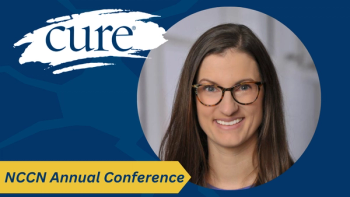
Dr. Brittany Dulmage discusses how management of immune-related side effects can help patients stay on immunotherapy without compromising its effectiveness.
Drs. Nunnery and McCann discuss the evolving HER2-positive breast cancer treatment paradigm in the latest episode of “Breast Cancer Briefing.”
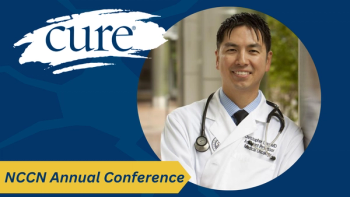
Dr. Christopher H. Lieu highlights the rising cancer rate in younger adults and the need for more personalized, comprehensive care strategies.
Nurse practitioner Bridget Hopkins discusses her metastatic breast cancer diagnosis, the role of clinical empathy and finding hope in stage 4 care.
Three lifelong friends, all breast cancer survivors, discuss the strength they found in supporting each other.
ctDNA testing could help doctors track response, reduce unnecessary chemo, and identify relapse early for patients with aggressive B cell lymphomas.
For patients navigating a cancer diagnosis, there is a hidden complication that requires vigilance: the risk of a pulmonary embolism.
A couple shares how self advocacy, preparation and caregiver support shaped their experience navigating liver cancer care.
The FDA approved a steroid-sparing Tecvayli and Darzalex Faspro combo for relapsed myeloma, offering an 83% reduction in disease progression risk.
Jonise S. Louis shares her journey of navigating a metastatic breast cancer diagnosis and chemotherapy while pregnant with the help of her oncology team.
A living liver donor shares recovery, fatigue and the lasting reward of helping his father heal after transplant surgery.
After a liver cancer diagnosis, one son stepped forward as a living donor, turning uncertainty into hope through a life-saving decision.
Functional precision medicine uses a patient’s tumor cells to test drugs, helping guide more personalized brain tumor treatment decisions.
Metastatic breast cancer survivor Casey Liening shares her adoption story in a candid interview.
A couple shares how open communication reshaped their relationship during and after liver cancer treatment.
For Kathy Small Wrice, a 20-year journey with multiple myeloma began not with a clear answer, but with a persistent intuition.
Shondia McFadden-Sabari of Bold and Breastless shares how intuition and early detection saved her life during a dual breast cancer diagnosis.