
A psychiatrist advises patients with cancer to speak up about their mental health concerns during cancer treatment, as there are tools that can guide best next steps.
A psychiatrist advises patients with cancer to speak up about their mental health concerns during cancer treatment, as there are tools that can guide best next steps.

With society entrenched in an “infodemic,” it can be challenging for many patients with cancer to identify what information online is accurate. Recently, the development of a new tool may help patients decipher what news is misleading.

My oncology team and I decided that it was OK to decrease the frequency of cancer-related scans, leaving me both relieved and nervous.

I frequently relive the day I was diagnosed with cancer and realized that I may need to limit my exposure to other people’s cancer battles.

Beyond its lessons, cancer has also brought, along with the fear and anxiety, a conviction to empower myself and to create a life that I deserve: One in which joy can triumph over that fear and that anxiety.

Heartbreak and loss trail behind us every day in the cancer world. But so does understanding, friendship and love.

As I reflect on the month of June, I see it as my “rebirth,” as four years ago, I was diagnosed with cancer, and my life has not been the same ever since.

In less than a year, Christine Whelchel went from receiving a diagnosis of breast cancer to becoming a trailblazing “Jeopardy!” champion.
After cancer, I now have more empathy for people going through health crises, though when I see others posting inspirational stories on social media, I can’t help but to wonder how much strife they have actually been through.
Post-cancer depression sometimes makes me feel like I’m being run over by a bus, but here’s some advice on how to let it pass by.

Many patients with cancer who have limited financial resources or high insurance co-pays have started to use crowdfunding campaigns to pay for the daunting bills associated with their treatment and subsequent care.
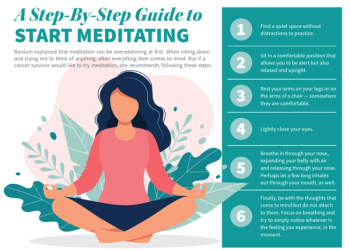
As part of its Heal at Home series, CURE® collaborated with a clinical health psychologist at the University of Hawaii Cancer Center to provide cancer survivors an easy-to-understand guide to start meditating.

I was approached with the opportunity to ghostwrite for an author who was writing about his cancer journey. I’m still baffled by the timing, but that experience shifted into my eventual cancer journey.

Having someone beside you to accompany you during doctor's visits to take notes or having someone to help you find the right specialist or even to just help research what treatment options are available can be incredibly helpful.

After I was diagnosed with cancer, I started to feel like a burden to my loved ones. So, I wrote a letter urging them to continue on with other aspects of their lives.
Cancer is a dangerous disease that comes with many difficult decisions, making me constantly feel like I’m living on the edge.

When you put your feelings out there in cancer support groups — be it in-person or virtual — you’re opening your ideas up to others’ interpretation, and some might not like what you have to say.

After being diagnosed with colorectal cancer, my ostomy — which I named Toodles — opened up a world of body positivity for me.
Anger is a reaction to injustice, which cancer certainly is. Sometimes I wished there was a place in the cancer treatment centers to let that rage out.

Dying does not have the be scary, and there are resources available to help patients and their loved ones, explained an expert.
Watching my sister undergo cancer treatment made me want to become a nurse, though after she was re-diagnosed, I’ve had to step away from that career path.
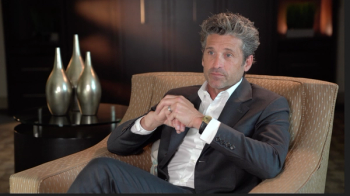
Actor and cancer advocate Patrick Dempsey explains that when a loved one is diagnosed with cancer, it is important that family members make the moments they share together count.
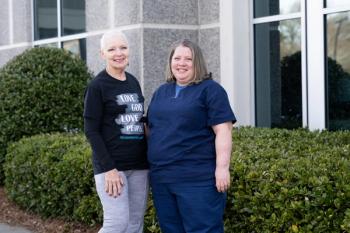
If I get nervous about a test result, she always takes time to talk with my husband and me about it and explain what the results mean.
Finding a swimsuit if you have not chosen reconstruction after breast cancer can be a challenge, but there are many ways to find what best works for you.
When it comes to both COVID-19 precautions and life with cancer, I feel like I have to sacrifice some privacy to gain understanding from the people around me.
Patients with cancer have so many resources available to them to learn about their disease as well as their treatment options, explained a research nurse from Dana-Farber Cancer Institute.
The cancer experience is far from over when scans turn up clear. Here’s how I deal with triggering reminders of the disease.

My dad was always strong willed, and I think that helped him face aggressive, late-stage cancer.
Mental wellbeing is more of a focus than ever before in cancer care, and while treatments continue to get better, there is still a long road ahead, according to Patrick Dempsey.

Unrelieved stress may play a part in causing cancer-related cognitive impairment and anxiety, though more research is needed.