
A male breast cancer survivor describes his anxiety and one tool for curtailing it.
A male breast cancer survivor describes his anxiety and one tool for curtailing it.

Men are often discouraged by society from openly sharing their emotions. A cancer survivor explains why lessons from childhood around how men should behave prevented him from finding support for his mental health.

Even though recording conversations during a doctor’s appointment may make it easier for patients with cancer to retain information, some oncologists are uncomfortable with being recorded.
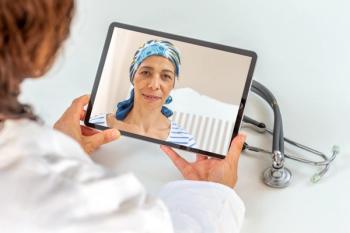
Due to less travel and other treatment-related expenses, some patients with cancer prefer a telemedicine doctor’s visit over going into an office or clinic.

When LGBTQ+ patients speak up about discriminatory experiences in cancer care, it can help take back the power and pave the way for better care in the future.

The study results demonstrated that patients with cancer had an elevated risk of all-cause mortality in the short-term if they experienced the onset of a mental health condition and were prescribed medicine for the condition shortly after their cancer diagnosis.
A breast cancer survivor explains how a group of men made fun of her chest – which is flat due to a double mastectomy – and how she chose to laugh the rude comment away.

The risk for suicide increased after a cancer diagnosis and may last at least 10 years after, emphasizing how patients should seek mental health care as part of their journey.

Although being in a close relationship during the cancer journey can dramatically improve outcomes, the stress of treatment and the diagnosis itself can take a toll on couples, sometimes in a negative way.

A woman who was the primary caregiver for her sister with cancer writes about how she regrets not utilizing social media to share updates throughout the treatment journey.

What do you do when cancer begins to drive a wedge between you and your partner? “I always feel it could cause the end of my relationship because I’m too much,” writes one survivor.

A woman explains how living with Lynch syndrome prepared her for the anxiety felt during the COVID-19 pandemic and discusses a painful loss she experienced.

Experiencing the trauma of cancer can make you feel like the universe is working against you. One cancer survivor explains the series of events that changed his outlook.

A woman with metastatic breast cancer describes a fulfilling experience of meeting another survivor who has lived a similar cancer journey, and the unique lasting connection it can create.

A retired oncology social worker offers several tips on supporting a friend who has cancer, as well as ways to ask for support as a patient with cancer.
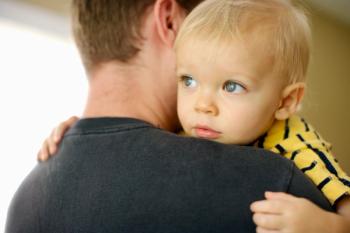
While it is normal for parents of childhood cancer survivors to experience anxiety and depression related to the fear of disease progression, parents are encouraged to seek help to ensure that the fear or progression doesn’t lead to debilitating consequences, according to an expert at Children’s Hospital of Philadelphia.
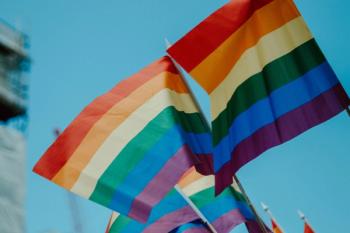
Cancer survivors who identify as LGBTQ reported a lack of access to tailored resources and support groups and fear of discrimination.

More people are aware of the disparities LGBTQ patients face, but prohibitive legislature could be moving the needle backward when it comes to equality in care.
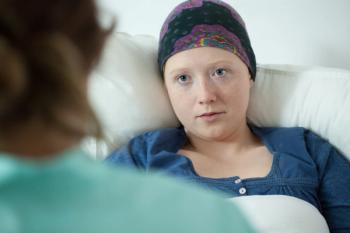
Assigning healthy classmates to accompany patients with cancer in their peer group to hospital visits had a positive impact on the patients’ social and emotional wellbeing.

There is no right decision on if – or how – to reveal a cancer diagnosis in the workplace.

Having a pet to care for may motivate patients to exercise and be positive when undergoing cancer treatment.

More than one third of adults and adolescents who were diagnosed with cancer between ages 15 and 39 were hesitant about receiving the COVID-19 vaccine, despite being an at-risk group.
Skin cancer can have detrimental effects on not only a patient’s physical health, but their emotional and mental health as well, according to an expert at the CURE® Educated Patient® Skin Cancer Summit.
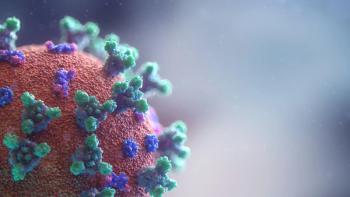
We may never know what triggered the global pandemic that has claimed more than 3.8 million lives. And we won’t know the long-term effects until enough time has elapsed. What we do know for certain is that the incredible strength and collaboration of the scientific community have allowed us to regain some semblance of normalcy.

A cancer survivor explains how she is approaching her reentry into the world after COVID-19 restrictions have been lifted.

On social media, CURE® recently asked its readers to share what was the most meaningful thing someone has said to them during their cancer journey. Here’s what they shared.
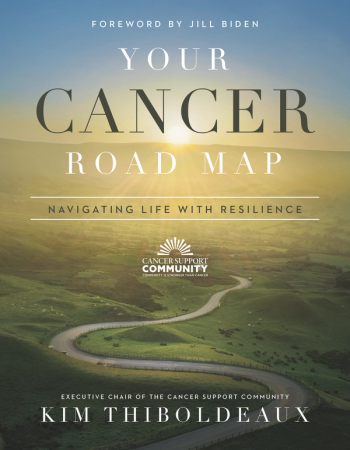
It is important to help people feel more confident as they face many decisions during their cancer journey and provide them with resources to show them that they don’t have to face the disease alone.

Patients with cancer experienced higher levels of loneliness, isolation and symptom burden due to social distancing procedures for COVID-19, according to a recent study.

On social media, CURE® recently asked its readers to share what was the most surprising thing that changed in their life since receiving a cancer diagnosis. Here’s what they shared.

A doctor from the department of radiation oncology at Emory’s Clifton Campus describes a nurse at her institution who goes “above and beyond” her call of duty by training her colleagues and making her patients feel comfortable.