





Oncology nurses are there for many moments on the cancer journey and can help champion important milestones that might otherwise go by unnoticed.
Oncology nurses are there for many moments on the cancer journey and can help champion important milestones that might otherwise go by unnoticed.
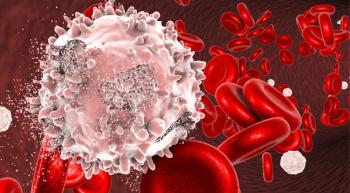
Finding the best care team can make all the difference for patients with diseases like multiple myeloma.

Clinical trials lead to new cancer treatments — and can give a patient access to effective drugs years before they’re made available to the public.
In this week’s episode of the CURE® Talks Cancer podcast, we chat with Dr. Tanja Gruber, the chief of pediatric hematology, oncology and stem cell transplantation at Stanford Children’s Health, about how pediatric cancer treatment is evolving thanks to advances in treatments like immunotherapy, and what parents should do after their child receives a diagnosis.

Here is a list of some recent trials that launched within the cancer space in September.
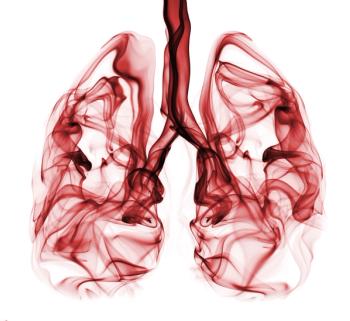
There is no approved treatment that targets the KRAS p.G12C mutation that drives some cancers like non-small cell lung cancer. But a recent study shows how the experimental drug sotorasib sparked responses in some patients with advanced non-small cell lung cancer that harbored the mutation.

For years, childhood blood cancers were understudied forcing patients’ treatments into a one size-fits-all approach. But new efforts are changing that.

Weighing the cost of CAR-T cell therapy in treating blood cancers is a finical burden for many patients with blood cancer.
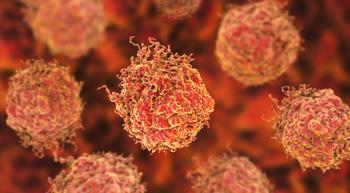
The PARP inhibitor Lynparza reduced the risk for death by 31% in men with metastatic castration-resistant prostate cancer compared with Xtandi or Zytiga plus the corticosteroid prednisone.
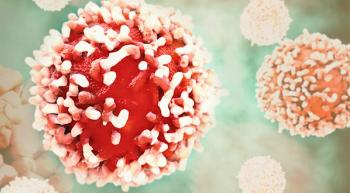
Findings from a randomized phase 3 study showed that adding neoadjuvant Tecentriq to a chemotherapy regimen of Abraxane, Adriamycin and Cytoxan in patients with stage 2 or 3 triple-negative breast cancer significantly improved pathologic complete responses, compared with placebo plus chemotherapy.

Exciting advances in treatment options for patients with mantle cell lymphoma are greatly improving the outlook for long-term remissions.
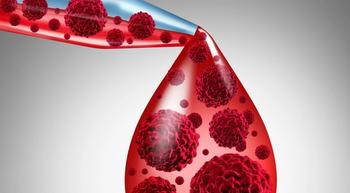
CAR-T Cell therapy is expanding in the field of blood cancers, but it comes with a host of side effects patients need to look out for. One study is looking to get ahead of the side effect curve for patients about to undergo CAR-T cell therapy.

In the winning essay for the Finest Hour award, Evangelina SantaTeresa, CCRN, details how the human touch makes all the difference for award winner Elizabeth “Liz” Farrat, B.S.N., CCRN at Memorial Sloan Kettering Cancer Center.

Save the date! We invite you to join CURE for our next monthly #CureConnect Tweet Chat on Thursday, September 24, at 1 p.m. EST, when we plan on discussing living with cancer, from mental health through treatment, to cancer-related pain and beyond.

On social media, CURE® recently asked its readers to share how they deal with the cognitive dysfunction that can come about from cancer treatment.

An oncology nurse outlines ways that patients can prevent dental erosion after a vomiting episode.

You have a new cancer diagnosis that stops you in your tracks. You are sick, afraid, vulnerable and in pain when you come to the cancer center at Temple University Hospital. The first advocate you will meet on your cancer journey is your nurse navigator
In a finalist essay, Laurie Loe details why Vicki Dodson, B.S.N., RN, OCN, is an extraordinary healer and a great mentor.
Lynne O’Connor’s winning essay describes how Christine Santure, B.S.N., RN, OCN, is this year’s Extraordinary Healer winner by caring for the caregiver.

Supreme Court Justice Ruth Bader Ginsburg died after five bouts with cancer.

From new research finding an association with longer survival in patients with colorectal cancer and the amount of coffee they drink in a day to the historic wildfires in northern California damaging, and possibly destroying, a summer camp for pediatric patients with cancer and more, here’s what’s happening in the cancer landscape this week.
At a virtual event Sept. 17, CURE® also named Elizabeth Farrat, B.S.N., RN, CCRN-K, the winner of its first-ever Finest Hour Award for selfless achievements in care during the COVID-19 pandemic.

“This randomized clinical trial found that compared with the conventional anthracycline and docetaxel regimen, the paclitaxel-plus-carboplatin regimen may be an alternative adjuvant chemotherapy strategy for patients with operable TNBC,” the authors wrote.

Specific disease characteristics of, and treatments for, multiple myeloma were not associated with increased mortality risk in patients with multiple myeloma who developed COVID-19, according to data published in Journal of Hematology & Oncology.

Cancer makes your mind wander in many strange directions. If ever you wanted to know what an emotional rollercoaster really felt like, get on the cancer coaster and go for a ride.

The addition of immunotherapy to radiotherapy increased the overall survival of patients with cancer who developed brain metastases, according to new research.

Opioids are a common tool in treating cancer-related pain, but they are also at the center of a nationwide epidemic. One that researchers have found cancer patients are not as linked to as previously thought.

The Food and Drug Administration approved the expanded use of the biomarker test CINtec PLUS Cytology that looks at HPV related biomarkers that could lead to cervical cancer. This is the first triage test approved in this space.
Recent immunotherapy approvals for patients with metastatic melanoma has widened the treatment landscape, but new research shows that patients associated with positive sociodemographic factors are more likely to receive immunotherapy.
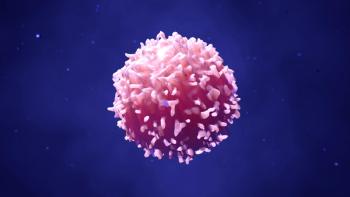
Younger and female patients with a variety of cancer types tend to have strong immune systems that naturally fight an array of cancer cells. The tumor cells the immune system doesn’t destroy are the most evasive, both to the immune system and medications that boost its activity, and this makes checkpoint inhibitor immunotherapy less effective in this population.