




A woman with metastatic breast cancer describes a fulfilling experience of meeting another survivor who has lived a similar cancer journey, and the unique lasting connection it can create.
A woman with metastatic breast cancer describes a fulfilling experience of meeting another survivor who has lived a similar cancer journey, and the unique lasting connection it can create.
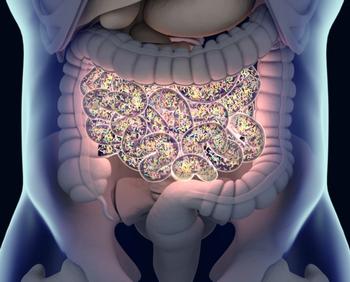
The overgrowth of fungi could cause the immune system to stop fighting cancer, according to a study.
One oncology nurse helped a patient with esophageal cancer throughout treatment by keeping her comfortable and maintaining her dignity.

Immunotherapy and tyrosine kinase inhibitors may potentially change the treatment paradigm for patients with renal cell carcinoma, the most common type of kidney cancer in adults.

After enduring cancer, how does one celebrate completing treatments? A woman writes about celebrating all of her sister's successes, no matter how big or small.

After decades of research, scientists inch closer to FDA approval for PSMA-targeted treatments that show promise for patients with an advanced form of prostate cancer.

How do you move on with life after cancer? A two-time breast cancer survivor expresses her hopes and fears in the form of a poem.

A patient notes how her advanced practice provider made such an impression on her that she even switched offices to continue their experience.

A woman with breast cancer describes her cancer journey as an unconventional fairy tale, with hope scattered within the darkness.

A retired New York City firefighter recalls his return to the city he once served for more than three decades on the day prior to the 9/11 terrorist attacks and all that followed, including his several bouts with lung cancer years after the dust had settled.

Programs that are free of cost, such as the World Trade Center Health Program, could serve as a “model” to providing better and more accessible health care to patients with cancer, according to an expert at Montefiore Medical Center in New York.

A woman who was diagnosed with multiple myeloma in 2012 explains how she prevents cancer from taking over her life in her poem, 'Carpe Diem.'

An ovarian cancer survivor shares what it was like to be her late husband’s caregiver when he had prostate cancer, years before her own diagnosis.
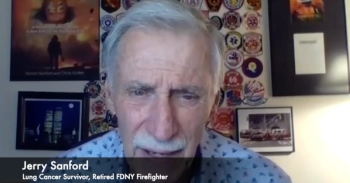
Retired FDNY firefighter and lung cancer survivor Jerry Sanford spoke about how he helped the rescue efforts following the Sept. 11 terrorist attacks in New York City.

From Senator Amy Klobuchar’s breast cancer experience to a 14-year-old survivor’s charity work for other children with cancer, here’s what’s happening in the cancer landscape this week.

Paying more attention to wellness could help both physical and mental facets for patients with MPN.

There are promising drugs for myeloproliferative neoplasms coming down the pipeline.
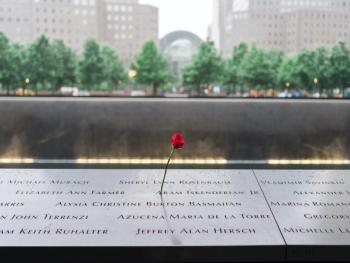
The impact from 9/11 continues to this day, including the increased risk for cancer in first responders and survivors who inhaled the toxins contained in the air around ground zero.
A cancer survivor dedicates two spirited poems to living 12 years post-cancer.
An expert from Mount Sinai shares his account of Sept. 11, 2001, and describes how the toxins released as a result of the attacks have long-term health impacts.

A poem about cancer written by a man who subsequently died of the disease explores the idea of finding the small joys in life despite the pain of cancer and treatment.

Remembering the simple joys of living and transporting yourself beyond immediate concerns can be helpful for patients with cancer, one woman explains in a poem.
A male breast cancer survivor asks, “How far are we willing to go for our cause?” He describes the advocacy work of two women who lost loved ones to male breast cancer.

Cancer survivors were less likely to use marijuana than their counterparts who never had cancer, according to recent research.
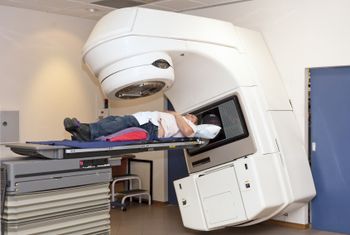
Increased use of radiation in lung cancer treatment may be a result of discoveries in research and improved spreading of information on this technology.

After undergoing surgery for brain tumors, a patient details how her nurse helped her recovery even while having the coronavirus.

One colleague details how her fellow oncology nurse puts her all towards her patients and sets an example for others at her center.
Soon after the 9/11 terrorist attacks, Judy Meyers returned to work in Manhattan, despite the terrible air quality. Years later, she was diagnosed with lung cancer, which is directly related to being in New York City in the aftermath of the destruction of the Twin Towers.

A previvor analyzes the similarities and overlaps between living with Lynch syndrome and a BRCA mutation.

Moderate-to-vigorous exercise before and during chemotherapy for breast cancer may help with cancer-related cognitive decline, highlighting the importance of physical activity throughout treatment.