






Factors such as red meat intake, alcohol consumption, low aspirin use and education level could contribute to a greater risk of an early-onset colorectal cancer diagnosis.
Factors such as red meat intake, alcohol consumption, low aspirin use and education level could contribute to a greater risk of an early-onset colorectal cancer diagnosis.

Survival rates in this study were similar across cancer types including colorectal and prostate cancers, which may indicate a need for updated policies to include more patients.

Long-term survivors of childhood cancer may have increased risks of cancer-related worries, which may be associated with higher levels of substance use, health care utilization and lower rates of physical activity.

When a patient’s cancer care team determines treatment is no longer working, it’s time to make some difficult decisions regarding long-term care, writes one breast cancer survivor. Here, she shares advice on how family members can offer their love and support.

Patients with cancer who scored highly on depression and anxiety tests were more likely to suffer from symptoms of chemotherapy-induced nausea, according to results of a recent study.

Patients with cancer can advocate for themselves by researching their illnesses and treatments before an appointment, so they’re able to ask better questions, says an expert from the HealthTree Foundation for Multiple Myeloma.

Recently published data support the use of next-generation sequencing as a standard practice in patients with advanced cancer and cancer of an unknown primary location, according to the study’s authors.

Recent CDC recommendations that children ages 12 to 15 are eligible to receive the Pfizer COVID-19 vaccine can include patients with cancer, except under certain extreme circumstances, says an expert from St. Jude Children’s Research Hospital.

A woman with metastatic breast cancer laments the losses she’s faced due to cancer.
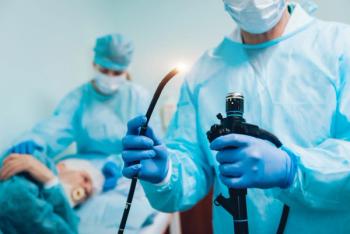
In an updated recommendation for colorectal cancer screenings, the U.S. Preventive Services Task Force (USPSTF) changed the starting age for screenings from 50 years to 45 years. The recommendation requires insurance companies to cover preventive procedures such as colonoscopies and stool tests.

Consuming even one sugar-sweetened drink per day such as soda, fruit-flavored drinks, energy drinks, punches and sports drinks after a breast cancer diagnosis could increase the risk of mortality.

A diagnosis of diabetes, high blood pressure or cardiovascular disease within two years of being diagnosed with breast cancer impacted a woman’s risk for death related to breast cancer or cardiovascular disease.

On social media, CURE® recently asked its readers to share how a pet helped them during their experience with cancer. Here’s what they shared.

A pancreatic cancer survivor shares how he copes with the never-ending fear of cancer taking his life.

When a patient is first diagnosed with myeloma, they should seek out various opinions until they find a specialist that is well-versed in their cancer type, says an expert from the HealthTree Foundation & Myeloma Crowd.

In honor of Skin Cancer Awareness Month, CURE® compiled some recent news and updates from this field that patients, survivors and caregivers may have missed.

A retired public health specialist and survivor of both thyroid and breast cancer pens a poem about her experiences with treatment and what it’s like to be “pulled under the water” by cancer.

Having a daughter with cancer can be difficult, but having a nurse by your side guiding your daughter and yourself throughout the journey can make things a little less stressful.

A skin and breast cancer survivor expresses her thoughts on travel restrictions due to the COVID-19 pandemic and how it has affected her family.

A colleague describes the RN coordinator at Smilow Cancer Hospital at Yale New Haven Hospital as the rock that patients need during their cancer treatment.

A caregiver recognizes the oncology nurse that cared for her father when he received cancer treatment at the place he used to work.

New advances in research around immunotherapies for patients with myeloma are on the horizon, according to an expert from the HealthTree Foundation & Myeloma Crowd.

A long-term brain cancer survivor shares the story of his cancer journey and where it led his life.

From Georgia Congressman John Lewis receiving a tribute from the American Cancer Society to Sheryl Crow urging people to resume regular health and wellness screenings, here’s what’s happening in the cancer landscape this week.

In honor of Brain Cancer Awareness Month, CURE® spoke with an expert about the latest advances that researchers are working on for patients with this disease.
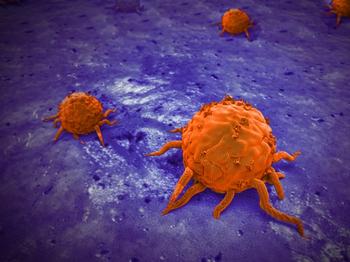
All patients with multiple myeloma have had MGUS, so what is it?

Patients with a history of cancer may become empowered to make diet and exercise changes by attending a clinic either virtually or in-person, which may also have a long-term impact on future risk for disease and outcomes.

A cancer survivor explains how she prevents an overwhelming and exhausting amount of doctor appointments from spoiling her appreciation for life.
In this episode of the “CURE® Talks Cancer” podcast, Maria Ciesla, an ovarian cancer survivor, and her daughter Alex Cornwell discuss Ciesla’s cancer journey and how it led them to do genetic testing that revealed they were both carriers of the BRCA1 mutation.
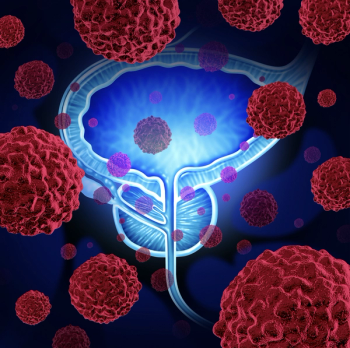
A roundup of some of CURE®’s latest news and updates for patients with bladder cancer in honor of Bladder Cancer Awareness Month this May.