





Recently approved, by the Food and Drug Administration, Besremi has demonstrated to be effective and safe for patients with polycythemia vera — adding hope to their treatment regimen.
Recently approved, by the Food and Drug Administration, Besremi has demonstrated to be effective and safe for patients with polycythemia vera — adding hope to their treatment regimen.

Maintenance therapy with Ninlaro and Revlimid in patients with recently diagnosed multiple myeloma who underwent a stem cell transplant may safely improve survival, although more research is needed especially in high-risk patients.

Maintaining a healthy diet during treatment may help combat side effects.

My osteosarcoma has been under control for a few years now, and in my moments of free time, I start to feel guilty for lacking the drive to take on more.

Although multiple myeloma survival rates have improved over the past 20 years, the survival gap among socioeconomic groups has widened.

Over the past several years, multiple treatment advancements have given oncologists the ability to better target brain metastases in patients with HER2-positive metastatic breast cancer.

Despite several FDA drug approvals over the past few years in the cholangiocarcinoma space, many patients are ineligible for these treatments as a first option, signaling a significant unmet need.

When early-stage breast cancer regimens are based on an individual patient’s risk, there may be an opportunity to improve outcomes while mitigating severe side effects, too.

While a recent health scare ruined a family vacation, I vowed to keep making plans and always look ahead to brighter days.

Sara Montiel shares her experience and how time helped her find the confidence she needed for herself and her young daughter

From ototoxicity to body image issues after cancer, here's a look at the most recent issue of Heal®.

The time patients with resected melanoma, a type of skin cancer, lived without their disease spreading to distant organs improved drastically after treatment with Keytruda.

Increased resources and technological advances have allowed cancer survivors experiencing psychological side effects to seek help that might not have been available to them 20 years ago.

Cancer took a toll on mine and my husband’s sex life, but after a great sexual encounter on New Year’s Eve, I wondered if adding erotica into our relationship might help keep that passion alive.

Patients treated with Lutetium-177 PSMA-617 tended to experience improvements in quality of life related to the aches and pains that can come from bone metastases.

As surgery is the current standard of care for patients with tenosynovial giant cell tumor, the potential to add another treatment option with fewer complications may dramatically help patients with this rare tumor.

I was frustrated when I developed lymphedema after my 2014 breast cancer surgery, but have since turned those negative feelings into advocacy for others who may be affected by the condition, too.

The FDA’s approval of the Opdivo plus platinum-doublet chemotherapy regimen marks the agency’s first greenlight, according to manufacturer Bristol Myers Squibb, of an immunotherapy-based treatment in the pre-surgical setting for non-small cell lung cancer.

The metastatic breast cancer community is a unique, strong-willed group of people who were honored in our inaugural Metastatic Breast Cancer HeroesTM program.

From the use of anti-depressants to cryotherapy, researchers continue to explore potential ways to mitigate the side effects that are associated with breast cancer therapy.

The study authors plan to enroll 32 patients with advanced pancreatic cancer into the trial to assess the efficacy and safety of an experimental treatment combination.

As humans, we have an inherent need to know why everything happens in our life — including a cancer diagnosis. But unfortunately, that is not always the case.

From a “Jeopardy!” winner taking her wig off on the gameshow to childhood patients with cancer in Ukraine being bussed to neighboring countries to safely receive treatment, here’s what’s happening in the cancer space this week.

During his college years, Matt Froestad received the diagnosis not once but twice following self-exams.

The most revealing thing that Dr. Bhuvaneswari Ramaswamy, a breast medical oncologist, learned during her own treatment for breast cancer was that despite having extraordinary family and medical support, she still felt very isolated.

Significant challenges include improving detection and response to inner ear side effects among cancer survivors following the use of certain drugs and therapies.

When I was first diagnosed with a stage 4 neuroendocrine tumor in my small intestine, I went through three stages of coping with my cancer: anger, planning and living life.

If an oncologist was apprehensive about Steven Edwards getting a second opinion, that might not be the right doctor for him, the kidney cancer survivor said.
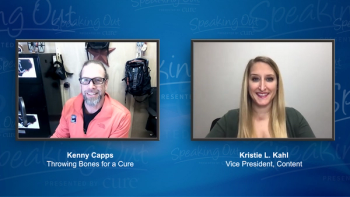
As part of its Speaking Out video series, CURE spoke with Throwing Bones founder, Kenny Caps, about improving patient-physician communication throughout myeloma care.
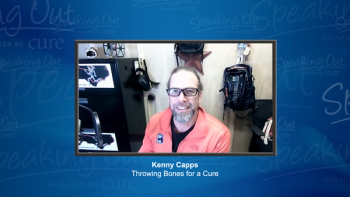
As part of its Speaking Out video series, CURE spoke with Throwing Bones founder, Kenny Caps, about treating myeloma as a chronic disease and how the multidisciplinary approach to care can assist in challenges, like financial toxicity.