



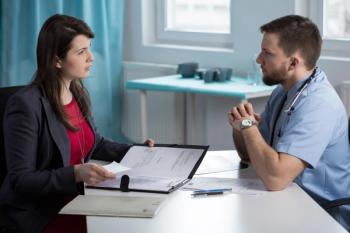
Even though recording conversations during a doctor’s appointment may make it easier for patients with cancer to retain information, some oncologists are uncomfortable with being recorded.
Even though recording conversations during a doctor’s appointment may make it easier for patients with cancer to retain information, some oncologists are uncomfortable with being recorded.

From microbiome-based therapies to reinventing an old drug and more, an expert from City of Hope explains the interest around emerging treatment options and approaches in metastatic kidney cancer.

A phase 1 trial of ONO-4685 was initiated for the evaluation of the antibody in patients with relapsed or refractory t-cell lymphoma.
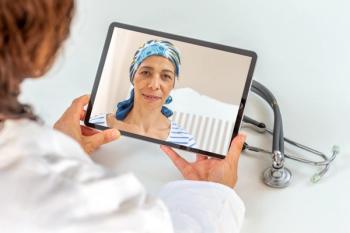
Due to less travel and other treatment-related expenses, some patients with cancer prefer a telemedicine doctor’s visit over going into an office or clinic.

Exercising during and after cancer treatment remains important for patients and building up endurance over time can help make goals less daunting, an expert said.
When the road ahead is unclear due to cancer, the best thing you can do is look for a new road to offer hope, a cancer survivor explains.

When LGBTQ+ patients speak up about discriminatory experiences in cancer care, it can help take back the power and pave the way for better care in the future.

“The Next Food Network Star” runner-up shares his struggles with nutrition after a stomach cancer diagnosis and gastrectomy.

Patients should understand the different prognostic scoring systems used in myelofibrosis, and how the results can impact treatment decisions.

A cancer survivor offers tips to family, friends and strangers on how to support those with cancer.

A woman with Lynch syndrome discusses testing young people for hereditary cancer syndromes and emphasizes the importance of speaking with a genetic counselor.
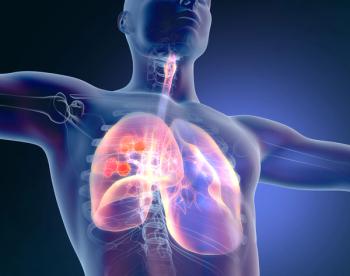
The majority of Americans lack understanding of lung cancer’s deadly threat and how it can be screened for, according to new survey data from the American Lung Association. One survivor and one patient stress the importance of learning more about the deadliness of the disease.

External-beam radiation, a noninvasive option for bridging therapy, may be underused compared with other liver-directed therapies and may highlight a treatment gap in this area.
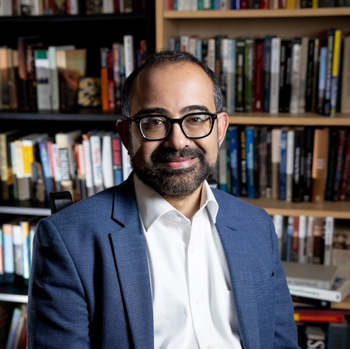
Upal Basu Roy has a true gift of being able to think from his heart. He educates the patient community, helps patients navigate the fragmented system, fights for drug access issues in other countries, addresses disparities and supports patient-driven initiatives in research and advocacy.

Society helps move progress forward in cancer research, causing one survivor to ask, “How can I pay back that debt?”

One person credits an entire oncology nurse team for going above and beyond during cancer treatment.
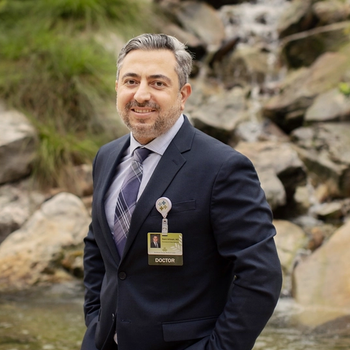
Lung cancer is a dangerous and often silent killer for the residents of northeast Georgia. For Dr. Arfoosh, lung cancer screening, quick referrals and prompt treatment for people with newly diagnosed lung cancer are at the forefront of his daily work.
A blood cancer survivor compares her journey to a rollercoaster and describes how she never knows what lies ahead.

One person describes an oncology nurse practitioner as one to give practical advice and guidance for everyone she encounters.
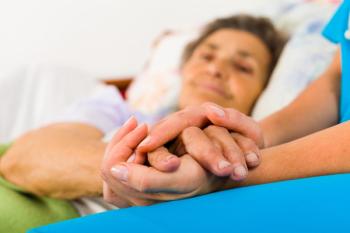
One oncology nurse shows the power of compassion and knowledge with every patient she cares for.

The study results demonstrated that patients with cancer had an elevated risk of all-cause mortality in the short-term if they experienced the onset of a mental health condition and were prescribed medicine for the condition shortly after their cancer diagnosis.
A woman who had an aesthetic flat closure after her mastectomy due to breast cancer explains what the new “Simpsons” character, Dr. Wendy Sage means to her.

From the deaths of Jovita Moore and Jerry Remy due to cancer, to Boyd Huppert’s myeloma diagnosis, here’s what’s happening in the cancer landscape this week.
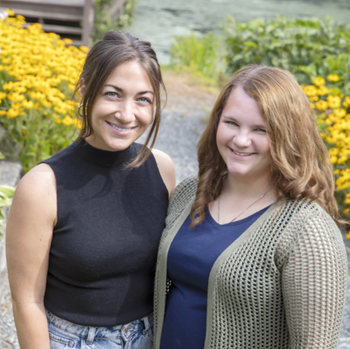
After Kelsey Ahmed’s mother, Martha, was diagnosed with stage 4 non-small cell lung cancer, Kelsey and her family got to work raising funds and spreading awareness for the American Lung Association.
The Food and Drug Administration gave clearance to Bold Therapeutics for a phase 1b/2a trial examining treatments for advanced GI cancers.
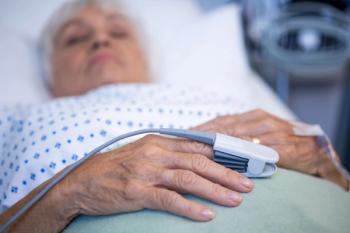
Patients who experience side effects due to immune checkpoint inhibitors are 80% more likely to go to the emergency room and have 30% higher monthly medical costs, compared to patients who did not have side effects.

The FDA’s recommendations are aimed at helping individuals and patients with breast cancer make better informed decisions about the decision to receive breast implants, according to experts.
Seven years into a diagnosis of stage 4 breast cancer, one woman has also nurtured hope.
In this episode of CURE’s “Cancer Horizons” podcast, three individuals, who were recognized as CURE Lung Cancer Heroes, spoke about what the honor means to them and bringing the lung cancer community together.
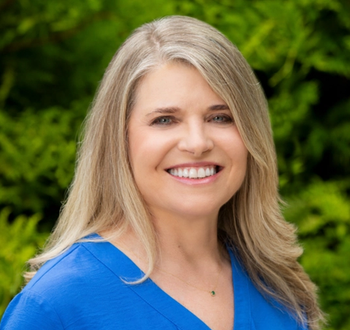
By creating a community of survivors, researchers, physicians and clinicians, The White Ribbon Project — under Heidi Nafman-Onda’s direction — has influenced real change.