





Breast Cancer
Latest News
Advertisement
Video Series


Latest Videos




Shorts
1:10
Through LMD Treatment, Her Daughter Kept Her Going
a month ago
by
Kaitlyn M. Le

1:00
Weight Loss After Breast Cancer Is Not One-Size-Fits-All
a month ago
by
Kaitlyn M. Le
1:06
Can GLP-1s Prevent Breast Cancer Recurrence?
7 months ago
by
CURE staff

0:59
Why It's OK to 'Break Up' With Your Doctor
7 months ago
by
Alex Biese
0:43
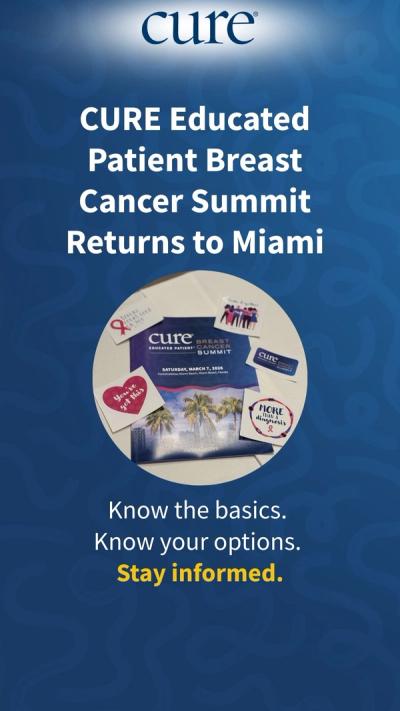
CURE Educated Patient Breast Cancer Summit Returns to Miami
7 months ago
by
Quincy Attobrah

0:54
Finding Hope in Breast Cancer Survivorship
9 months ago
by
Alex Biese
Podcasts







Advertisement
More News

Twenty-four years after breast cancer, one survivor reflects on mammogram anxiety, the relief of clear results and the gratitude of living beyond cancer.

In a randomized trial of nearly 100,000 women in Germany, 3D mammography found a larger share of breast cancers at the screening visit, but its 24% lower rate of cancers found between screenings was not statistically significant.

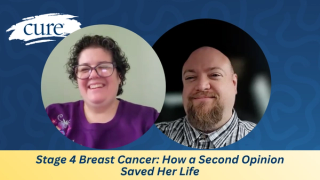
Eileen Carter was told she had two to three years to live after a stage 4 breast cancer diagnosis. A second opinion changed her care.

Debbie Legault, whose daughter was diagnosed with breast cancer at 27, urges shoppers to skip pink ribbon products and donate directly to support organizations.

Libtayo survival data, a rare positive osteosarcoma trial and new ADCs for breast, lung and stomach cancers are among ESMO 2026 abstracts to watch.

In the phase 3 RT CHARM trial, published Oct. 12, 2026, in the Journal of Clinical Oncology, a three-week course of radiation after mastectomy caused about the same rate of reconstruction complications as the standard five-week course in women with breast cancer.

Diagnosed with stage 4 breast cancer weeks after giving birth, Eileen Carter and her chaplain husband share why a second opinion changed everything.

The FDA flagged potential safety signals for colitis with Ibrance, Kisqali and Verzenio, and heart inflammation with melanoma drugs. No causal link is confirmed.

Three doctors dismissed Christine Kushner’s breast changes at 37. Trusting her gut and pushing for a mammogram helped save her life.

Five CURE bloggers living with breast cancer share what Breast Cancer Awareness Month can miss, from metastatic disease to men and mammogram limits.

A study of 39,184 people with solid tumors, published Oct. 8, 2026, found that about 1 in 6 had an inherited genetic change that increased their cancer risk. Testing only people under 50 would have missed 72% of those with these changes.

In a trial of 2,175 people with early HER2-positive breast cancer, 43.8% had no invasive cancer left after 12 weeks of a lighter regimen, and certain tumor features predicted who was most likely to respond.

Median progression-free survival reached 24.9 months with Tukysa plus Herceptin and Perjeta versus 16.3 months with placebo plus Herceptin and Perjeta.

Breast cancer survivor Sue Weldon discusses survivorship gaps, integrative therapies alongside treatment and why caregivers should prioritize themselves.

Endoscopic Nipple-Sparing Mastectomy: What Patients With Breast Cancer Should Know
Published: | Updated:
Endoscopic nipple-sparing mastectomy may improve recovery, reduce scarring and support quality of life for people undergoing breast cancer surgery.
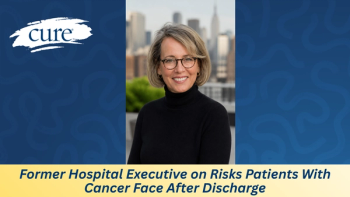
After 17 and a half years with metastatic primary peritoneal cancer, a former hospital executive explains how an AI health agent helped her after discharge.

After a cancer diagnosis, one woman learns to lean on her brothers for unconditional love and support when she can no longer stand alone.

Giredestrant plus Afinitor lowered the risk of cancer worsening or death by 62% in patients with ESR1-mutated, ER-positive, HER2-negative advanced breast cancer.

A study of more than 17,000 patients ages 23 to 64, presented at ASTRO 2026, found that only about 28% took endocrine therapy consistently for five years, and people who skipped radiation were more likely to fall off. Here's what to weigh before making that choice.

September brought new options for breast, lung, kidney, bile duct, skin and neuroendocrine cancers, plus a brain tumor scan and easier lung cancer treatment.

Breast cancer treatment has changed dramatically since 2021. Here are the key FDA approvals, year by year, and what they mean for patients.

On National Previvor Day, learn what it means to carry an inherited gene change like BRCA1 or BRCA2, and the screening and surgery options that lower risk.

Heather Curley discusses her leptomeningeal disease diagnosis, joining an experimental vaccine trial and the milestones she has been able to share with her daughter.

Long-term results presented at ASTRO 2026 show that a shorter radiation schedule after mastectomy controls high-risk breast cancer as well as the standard five-week course, without more long-term side effects.

FDA fast-tracks review of elinzanetant for hot flashes linked to breast cancer treatment. Here’s what the trial found and what patients should know.
Advertisement
Advertisement
Trending on CURE
1
New Myelofibrosis Guidelines Back Wider Gene Testing at Diagnosis
2
FDA Clears AI Tool Using MRI to Gauge Breast Cancer Recurrence
3
FDA Approves Jemperli for dMMR Locally Advanced Rectal Cancer
4
Why Cancer Screening Remains Important for Long-Term Cancer Survivors
5