








FDA granted breakthrough therapy designation to sofetabart mipitecan for adults with platinum-resistant ovarian, fallopian tube or primary peritoneal cancer.
FDA granted breakthrough therapy designation to sofetabart mipitecan for adults with platinum-resistant ovarian, fallopian tube or primary peritoneal cancer.

The FDA approved Guardant360 CDx as a companion diagnostic to identify patients with BRAF V600E-mutant metastatic colorectal cancer who may benefit from Braftovi with Erbitux and chemotherapy.

MammaPrint and BluePrint tests may help identify HR+/HER2– early-stage breast cancer patients likely to benefit from anthracycline-based chemotherapy.

Long-term CATNON trial results show radiotherapy followed by adjuvant temozolomide extends survival in patients with newly diagnosed anaplastic glioma.

Stick your toes in the ocean. Feed the koi. Play make-believe carwash with a toddler. Hold his hand because he asks you to. Be present.

Dr. Anne Peled co-developed the sensation-preserving mastectomy she received after her second diagnosis of breast cancer.

Experts highlight key themes from the ASCO GI Cancers Symposium, including the growing role of AI and an increased emphasis on patient-centered decision-making.

Outpatient CD19 CAR-NK plus rituximab led to complete remissions up to 15 months in patients with Waldenström Non-Hodgkin lymphoma.

The allogeneic CAR-T therapy aims to expand urgently needed options for children and adults with aggressive T-cell blood cancers.

The FDA granted orphan drug designation to zavabresib, an investigational therapy for the treatment of myelofibrosis, a rare blood cancer.
CURE spoke with advocate Karen Hoyt about liver cancer, liver disease, and liver health, highlighting silent risk, misconceptions and need for awareness.
Dr. Benjamin Jon Golas outlines pancreatic cancer care, including surgery, chemotherapy, radiation and emerging targeted therapies at specialized centers.

Patient education and individualized navigation can improve genomic testing uptake and downstream participation in genomics-based clinical trials.

A patient with bladder cancer and CLL reflects on how the Japanese art of Ikebana taught acceptance, presence and self-compassion while living with cancer.

A vaccine combined with Keytruda is associated with a 49% reduction in the risk of recurrence or death.

The FDA accepted a new drug application for gedatolisib for patients with HR+, HER2-, PIK3CA wild-type advanced breast cancer.

In patients with high-risk melanoma, intismeran autogene and Keytruda reduced the risk of recurrence or death compared to Keytruda alone.
An expert explains how a DLL3 blood test may help guide Imdelltra use and set expectations for patients with small cell lung cancer.

For Richard “Rocky” Kimball, a diagnosis of myelodysplastic syndromes, or MDS, necessitated a number of lifestyle changes.

Dr. Nicholas Hornstein explained the concept of ctDNA and how this blood test may help guide treatment decisions, including whether additional therapy is needed.

I have lived with both depression and cancer and know that illness, visible or not, ebbs and flows; canceled plans can reflect health limits, not rejection
CURE spoke with Dr. Robert Alter of John Theurer Cancer Center about the best time to explore clinical trials.

The FDA granted orphan drug designation to LP-284 for soft tissue sarcomas, supporting development of the investigational therapy for patients with cancer.
During the Blood Cancer Heroes Event, Joe McDonough shared his excitement at being among individuals making meaningful contributions to others’ lives.

There’s no moral to my story, except to say I’m grateful for good doctors and modern medicine.

Dr. William A. Hall sat down with CURE to discuss the impact of technologies like artificial intelligence on gastrointestinal cancer care.
CURE sat down with Dr. Surbhi Sidana to discuss this treatment combination.

I reflect on cancer and faith, embracing the power of one to pursue health, purpose, and positive change in my life and for others.

Patients with advanced gastric cancer received PD-1 inhibitors at similar rates across racial groups, although overall use remained limited in real-world care.
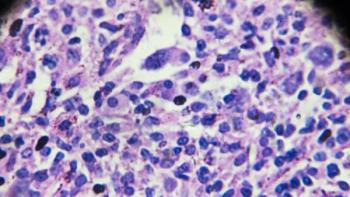
Patients with relapsed/refractory diffuse large B-cell lymphoma who received Epkinly alone experienced an improvement in progression-free survival.