



Patients with advanced gastric cancer received PD-1 inhibitors at similar rates across racial groups, although overall use remained limited in real-world care.
Patients with advanced gastric cancer received PD-1 inhibitors at similar rates across racial groups, although overall use remained limited in real-world care.
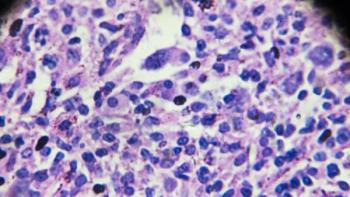
Patients with relapsed/refractory diffuse large B-cell lymphoma who received Epkinly alone experienced an improvement in progression-free survival.
Oya Gilbert, diagnosed with myeloma in 2017, uses advocacy and music to improve awareness, access and support for patients with cancer.
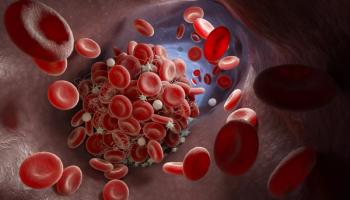
A chronic myeloid leukemia diagnosis can be daunting, but its management is one of modern oncology’s greatest success stories.

Learn about advanced treatments for stage 4 papillary thyroid cancer, such as radioiodine and targeted therapy, mapping the disease and managing side effects to empower your journey.

This guide is designed to provide you with a clear medical foundation so you can engage in informed, collaborative discussions with your oncology team.

Learn about large cell lung cancer, from diagnosis to stage-specific treatments, side effects and care options to guide patients through their journey.

My name is Beth Kramer, and I am 58 years old. Over the past 15 years, I have faced the life-altering words, “you have cancer,” not once, but three times.
At Keck Medicine of USC, surgeons, oncologists and radiation specialists collaborate closely, ensuring individualized care for patients with lung cancer.
CURE sat down with Dr. Surbhi Sidana to discuss this treatment combination and what its approval by the FDA would mean for patients.

Two people have transformed my journey from pain into possibility. In their presence, I find the strength to continue. Together, they've taught me that even in collapse and ill health, life can bloom again.
Providing patient-centered education and navigation support significantly increases consent rates for genomic testing, making testing integration feasible.

A U.S. phase 1 trial of Alveltamig opened at UK Markey, where the first patient with small cell lung cancer was treated in late October.
Joe McDonough reflects on the bonds he’s formed in the childhood cancer community and what they’ve taught him about empathy and shared experience.
Dr. Elena Elimova discussed data showing 21-month progression-free survival with Ziihera, Tevimbra and chemotherapy for some patients.
Kyle Donahue, who enrolled in a clinical trial at Brigham and Women's Hospital, is now a five-year survivor of brain cancer.

The American Cancer Society’s 2026 Cancer Statistics report shows the five-year survival rate for all cancers has reached a record high of 70%.

Now that I have been living with my chronic cancer for 16 and a half years, I’ve been reflecting on how my attitude has changed over time.

Nutritional support helps malnourished patients with advanced gastric cancer maintain chemotherapy and may extend time to treatment failure.
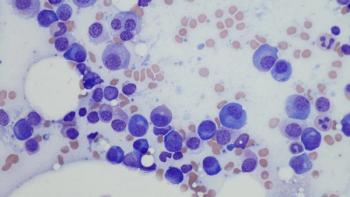
In patients with relapsed/refractory multiple myeloma, Tecvayli monotherapy is associated with a 71% reduction in the risk of disease progression or death.
Dr. Benjamin Jon Golas explains that surgery, chemotherapy and radiation form the foundation of curative-intent treatment for patients with pancreas cancer.
CURE sat down with Dr. E. Antonio Chiocca to discuss a new brain cancer treatment being studied in an ongoing clinical trial.
Dr. Nadine A. Jackson explains how relatively simple interventions may help close gaps in access to genomics-driven trials across gastrointestinal cancers.
Dr. Ian Flinn explains how subcutaneous Lunsumio VELO uses bispecific antibodies for quick, durable treatment in relapsed/refractory follicular lymphoma.

I live with cancer, but I don’t let it define me. I choose to define my story by courage, trust, and hope.
Prostate cancer survivors Ronald Wakefield and Ernie Strauss sat down for an interview with CURE.

Updated data from GOBLET Cohort 4 demonstrated activity with Reolysin plus Tecentriq in patients with third-line metastatic squamous cell anal carcinoma.
Bill Potts, a five-time cancer survivor, likes to refer to himself as “the luckiest guy I know.”
Joe McDonough shares what message he hopes families hear when first facing a cancer diagnosis.
Dr. Ian Flinn explains how Lunsumio VELO works, offering an outpatient immunotherapy option with accelerated FDA approval.