







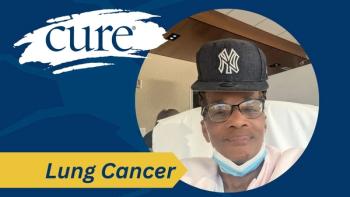
After Donna Rigby visited the emergency department at Hackensack Meridian Jersey Shore University Medical Center, tests showed stage 2 lung cancer.
After Donna Rigby visited the emergency department at Hackensack Meridian Jersey Shore University Medical Center, tests showed stage 2 lung cancer.

The U.S. FDA has accepted a supplemental application for Besremi in adults with essential thrombocythemia with an Aug. 30, 2026 action date.
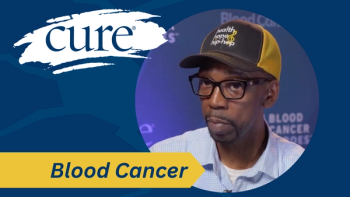
Oya Gilbert blends hip-hop and advocacy to raise awareness about myeloma, engage patients, and address broader health issues in underserved communities.

I share how choosing what to do with my hair during treatment helped me reclaim control and redefine empowerment.
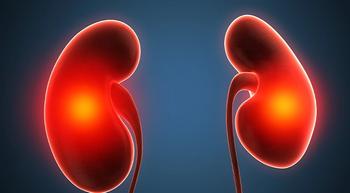
Receiving a diagnosis of stage 1 clear cell renal cell carcinoma can be a shock, but this is the most common and most treatable stage of kidney cancer

Study findings show more colorectal cancer risk reduction and safety with the use of a GLP-1RA versus Aspirin.

I am profoundly, fiercely grateful for every day beyond that harrowing diagnosis. But gratitude is not silence, and survival is not a finish line.
Physical activity, especially walking, was linked to less fatigue and better quality of life for patients with colorectal cancer, particularly in early survivorship.

Tukysa may be a patient-friendly option as a first line maintenance treatment for HER2-positive breast cancer, as Dr. Erika Hamilton explained.
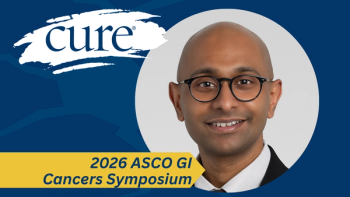
Dr. Thejus Jayakrishnan discussed how patients and physicians weigh treatment options in later-line metastatic colorectal cancer.

The FDA granted fast track designation to Enolen for patients with low-to-intermediate risk prostate cancer.
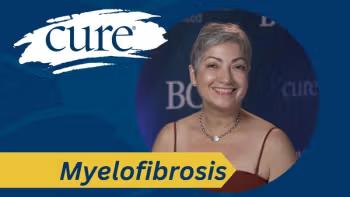
Mayra Andujar-Delgado shares her 10-year myelofibrosis journey and how 2025 Blood Cancer Hero Dr. Faseeh Khaja empowered her and her husband.

Understanding your diagnosis, the tests ahead and the treatment landscape is the first step in regaining a sense of control.

Lung squamous cell carcinoma starts in airway lining cells; treatment depends on stage, from surgery to systemic therapies, with side effects to monitor.
2025 brought key advances in blood cancer treatment, research, and patient insights across multiple myeloma, lymphoma, leukemia and MDS.
ECOG performance status was found to capture only part of the patient experience in gastric/GEJ adenocarcinoma.
Dr. Elena Elimova discusses how Ziihera-based therapy may change treatment for HER2+ locally advanced or metastatic gastroesophageal adenocarcinoma.

These were the top gastrointestinal cancer stories published by CURE in 2025.

Chuck Stravin shares 10 practical, patient-centered tips for managing emotions, information, and routines in the first days after a cancer diagnosis.
The FDA granted orphan drug designation to CK0804, an investigational cell therapy being studied for patients with myelofibrosis.
Dr. William A. Hall discusses overtreatment in gastrointestinal cancer care and how AI-driven response assessment is shaping personalized treatment.

I reflect on the support and love that carried me through my sister’s cancer and her death, expressing deep gratitude this Thanksgiving.
Dr. Erika Hamilton spoke with CURE’s editor-in-chief, Dr. Joshua K. Sabari.

From kidney to prostate cancer, these 2025 stories highlight research, new treatments and resources helping patients and caregivers stay informed and engaged.

When most people think about cancer, they think about survival. What they don’t often consider is what survival costs.
Dr. Erika Hamilton sat down for an interview with CURE’s editor-in-chief, Dr. Joshua K. Sabari.

FDA granted breakthrough therapy designation to zoldonrasib for previously treated KRAS G12D-mutated non-small cell lung cancer.
Dave Coulier sat down for an interview with CURE to discuss his recent tongue cancer diagnosis and his treatment journey.

Reach out to professionals, go to safe online sources, contact your local cancer support center. I hope these tools help you as they have helped me.
Dr. Vinayak Venkataraman sat down for an interview with CURE to discuss the evolving treatment of gastrointestinal stromal tumors.