





Kidney Cancer
Latest News
Advertisement
Video Series
Latest Videos








Shorts

1:00
When to See a Urologist for Kidney Health
7 months ago
by
Ryan Scott

0:54
Why Kidney Cancer Is No Longer a Death Sentence
7 months ago
by
Ryan Scott
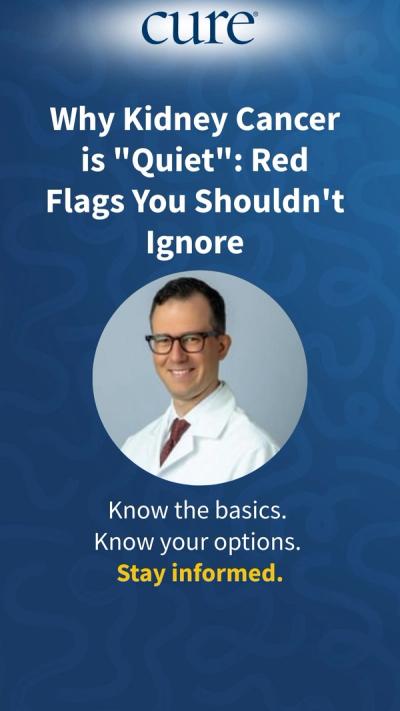
1:05
Why Kidney Cancer is "Quiet": Red Flags You Shouldn't Ignore
8 months ago
by
Ryan Scott
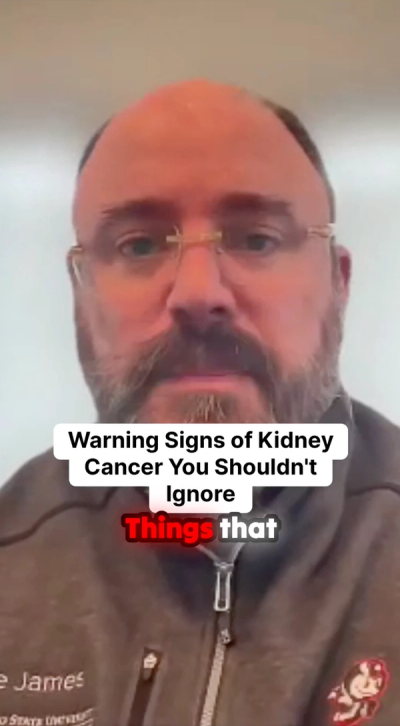
1:00
Kidney Cancer Warning Signs: What You’re Missing and Why It Matters
8 months ago
by
Ryan Scott
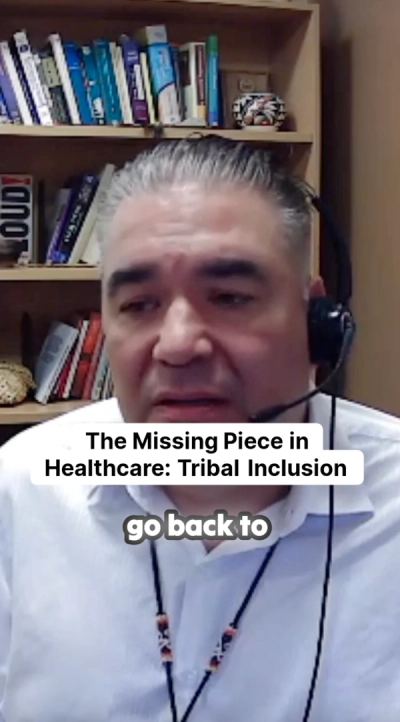
0:58
The Importance of Tribal Inclusion in Healthcare Planning and Education
8 months ago
by
Ryan Scott
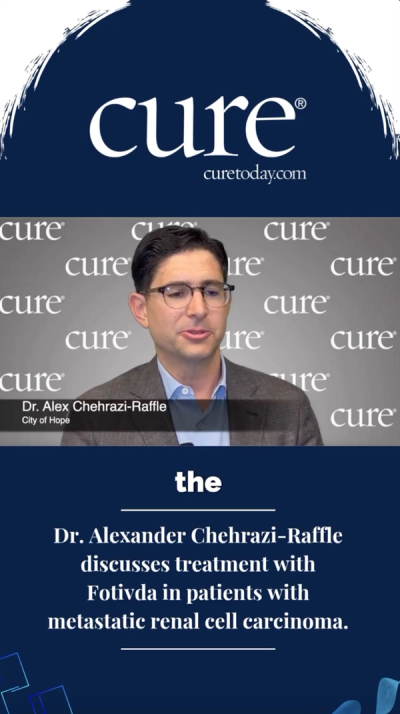
0:51
Fotivda Monotherapy Shows Benefit in Metastatic RCC
a year ago
by
Dr. Alexander Chehrazi-Raffle
Podcasts

Advertisement
More News

Darlifarnib plus Cabometyx showed tumor responses in resistant kidney cancer following prior treatment.

A kidney cancer survivor shares how a decade of breakthroughs in immunotherapy and targeted research transformed a death sentence into a life saved.
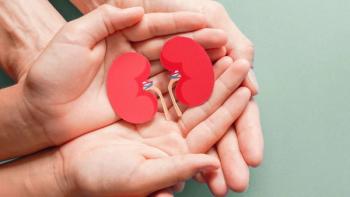
Five-year ICESECRET data show high recurrence-free rates with cryoablation for small kidney tumors, supporting a minimally invasive treatment option.
Dr. Christopher Koller discusses rising kidney cancer diagnoses in younger adults, key risk factors and why early detection remains critical.

RAMPART shows early quality-of-life declines with adjuvant Imfinzi and Imjudo, improving over time, though later cognitive and pain effects emerge.
Keytruda plus Welireg lowered the risk of recurrence in high-risk clear cell kidney cancer after surgery.

Welireg plus Lenvima improved outcomes compared with versus Cabometyx in advanced clear cell renal cell carcinoma after immunotherapy.

Oncologists highlight key 2026 ASCO GU studies in bladder, prostate, kidney and testicular cancers that could reshape treatment and personalize care.

Five-year follow-up of cryoablation for small kidney tumors shows high recurrence-free rates and a minimally invasive option for select patients.

Rodney Haring discusses Indigenous navigation, partnerships and prevention strategies to reduce cancer disparities and improve equity in Native communities
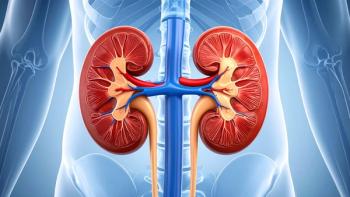
Learn diagnosis, treatments, side effects and key questions to help guide shared decisions with your oncology team after stage 4 ccRCC diagnosis.

Stage 3 ccRCC is locally advanced but often treatable. Learn how it is diagnosed, treated, and managed to support informed decisions with your care team.

The U.S. FDA has issued an updated safety communication regarding two commonly used chemotherapy drugs, Xeloda and fluorouracil.
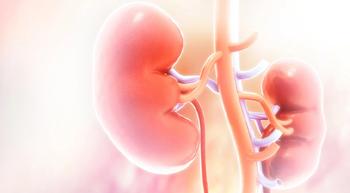
Stage 2 ccRCC is treated with surgery, and patients should discuss partial nephrectomy, adjuvant therapy, and follow-up care with their oncology team.
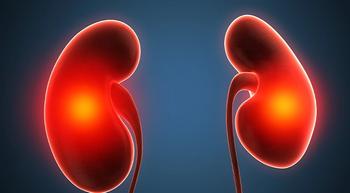
Receiving a diagnosis of stage 1 clear cell renal cell carcinoma can be a shock, but this is the most common and most treatable stage of kidney cancer

Chuck Stravin shares 10 practical, patient-centered tips for managing emotions, information, and routines in the first days after a cancer diagnosis.
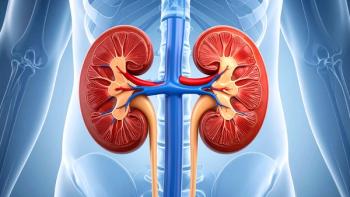
Receiving a diagnosis of stage 4 renal cell carcinoma can be overwhelming, but the treatment landscape has changed in recent years. Learn more from CURE.
As kidney cancer survival improves, more patients report cognitive changes affecting memory, fatigue, and overall mental clarity

Stage 3 kidney cancer can be managed with surgery, immunotherapy and targeted therapy; knowing your options helps guide informed decisions.
Although most patients with localized kidney cancer have high cancer-specific survival, surveys show a gap between doctor and patient perceptions of cure.

Dr. Michael Staehler highlighted nutrition’s role in kidney cancer, noting that diet, stress management, and lifestyle can impact outcomes and well-being.
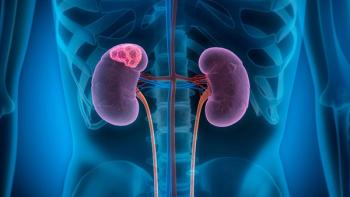
The FDA has granted fast track designation to ITM-94 as a diagnostic agent for the detection of the most common type of kidney cancer.
A real-world study found TKIs were the most common therapy for adults with metastatic renal cell carcinoma after prior immune checkpoint inhibitor use.

A study at IKCS finds higher BMI after kidney cancer diagnosis improves survival, while significant weight loss predicts poorer outcomes.
Advertisement
Advertisement
Trending on CURE
1
FDA Grants Traditional Approval to Keytruda for TMB-H Solid Tumors
2
Why Cancer Screening Remains Important for Long-Term Cancer Survivors
3
Breast Cancer at 30: Aisha Shares the Challenges of Motherhood, Body Image and Life After Treatment
4
FDA Clears AI Tool Using MRI to Gauge Breast Cancer Recurrence
5