

Conference Coverage
Latest Content

Oct 06, 2026 | Blog
Living With Incurable Cancer: The Emotional Toll of Never Knowing What Comes Next

Unite for HER Founder on Integrative Care After Breast Cancer
Oct 06, 2026

Endoscopic Nipple-Sparing Mastectomy: What Breast Cancer Patients Should Know
Oct 06, 2026

A Light-Based Treatment Is Now FDA Approved for a Common Skin Cancer
Oct 06, 2026

A New Scan Aims to Answer One of Brain Cancer's Hardest Questions
Oct 05, 2026







Advertisement
Shorts
1:30
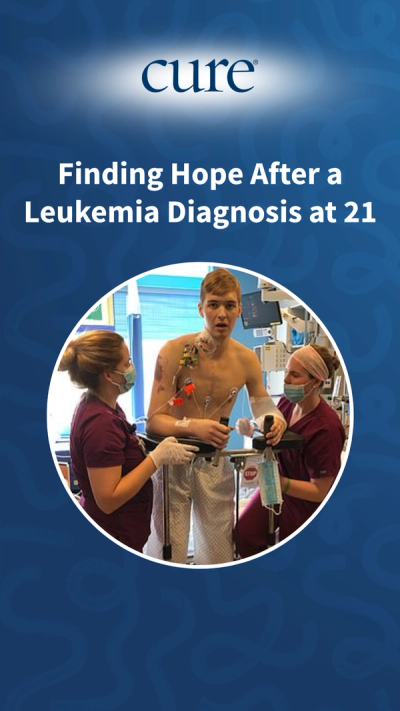
Finding Hope After a Leukemia Diagnosis at 21
5 days ago
by
Kaitlyn M. Le
1:00
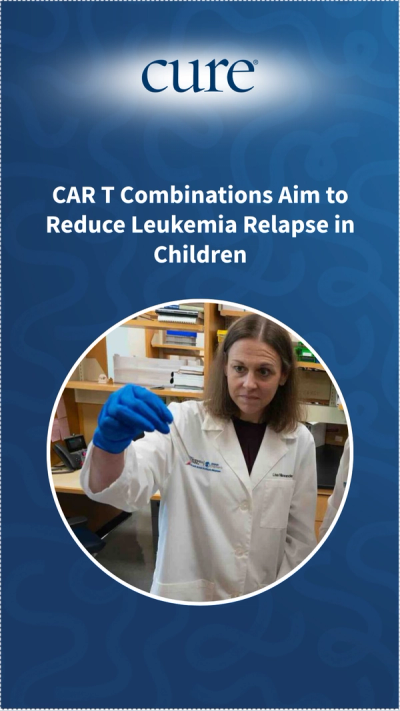
The Future of CAR T Cell Therapy for Leukemia
5 days ago
by
Kaitlyn M. Le
0:42
The Era of More Chemotherapy is Over
8 days ago
by
Dr. Guenther Koehne

0:44
10 Things That Got Me Through Treatment feat. Sally Kalksma
12 days ago
by
Sally Kalksma

1:10
Through LMD Treatment, Her Daughter Kept Her Going
12 days ago
by
Kaitlyn M. Le

0:19
Rethinking Treatment Sequencing in HER2-Mutant Lung Cancer
15 days ago
by
Kaitlyn M. Le

0:23
How AI Is Changing Cancer Care
15 days ago
by
Dr. Maurie Markman

0:30
Essential Advice for Cancer Caregivers
19 days ago
by
Spencer Feldman

0:35
Why Clinical Trial Deserts Are Harming Patients
a month ago
by
Kaitlyn M. Le

1:00
The Danger of Cutting Ostomy Costs
a month ago
by
Kaitlyn M. Le










Videos



All News
Advertisement
Advertisement

Bern Paul uses close to 10 products from different manufacturers to manage his urostomy after bladder cancer. He explains why Medicare bidding concerns him.

A metastatic breast cancer survivor shares how exercise gave her a sense of control while emphasizing why it should never be used to blame people with cancer.

A long-term metastatic ovarian cancer survivor explains how a trifecta of hope, purpose and grace has shaped her life through years of treatment.
Six-year PERSEUS results show 81% of newly diagnosed, transplant-eligible myeloma patients had no cancer progression, with many stopping Darzalex.

A phase 3 trial found that adding Imdelltra to Imfinzi maintenance improved survival in extensive-stage small cell lung cancer, while another drug's application was pulled. Here's what patients should know.
Living with metastatic breast cancer can make Pinktober feel complicated. One patient reflects on awareness, research, loss and remembering the people behind the pink.

A leukemia survivor recalls how bonding with other patients helped his hospital stays go by faster and became a key part of his emotional healing.
Learn how nipple-sparing mastectomy, including endoscopic approaches, may help preserve appearance, reduce scarring and support breast cancer recovery.
After 17 and a half years with metastatic primary peritoneal cancer, a former hospital executive explains how an AI health agent helped her after discharge.

Relatives of people with BRCA1 or BRCA2 variants completed genetic testing more often when a navigator reached out directly than when they received a letter.
Advertisement

The FDA approval is based on the phase 3 BRUIN CLL-313 trial, in which 94% of patients responded to Jaypirca compared with 81% who received chemoimmunotherapy.

Giredestrant plus Afinitor lowered the risk of cancer worsening or death by 62% in patients with ESR1-mutated, ER-positive, HER2-negative advanced breast cancer.

Five-year results presented at ASTRO 2026 show a five-week radiation schedule after prostatectomy controls cancer as well as a seven-week course. But serious urinary side effects were more common.

A study of more than 17,000 patients ages 23 to 64, presented at ASTRO 2026, found that only about 28% took endocrine therapy consistently for five years, and people who skipped radiation were more likely to fall off. Here's what to weigh before making that choice.

September brought new options for breast, lung, kidney, bile duct, skin and neuroendocrine cancers, plus a brain tumor scan and easier lung cancer treatment.
Advertisement
Advertisement
Trending on CURE
1
Six Years Later, Most Myeloma Patients on a Darzalex Regimen Are Still Progression-Free
2
Exercise Gave Me Control. It Didn’t Cure My Cancer
3
Phase 3 Trial Shows Adding Imdelltra to First-Line Treatment Helps Patients With SCLC Live Longer
4
10 Cancer Treatment Approvals From September 2026 and What They Mean for You
5