





Conference Coverage
about 1 month ago
3 More Lung Cancer Breakthroughs From WCLC 2026about 1 month ago
Top 3 Takeaways From WCLC 2026 That Patients Should KnowLatest Content




Advertisement
Shorts

1:11
Psycho-Oncologist Answers 5 Common Questions About the Emotional Impact of Cancer
3 days ago
by
Dr. Ramy Sedhom

1:40
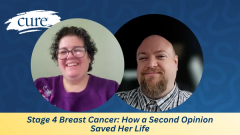
How a Second Opinion Saved Her Life
4 days ago
by
Spencer Feldman
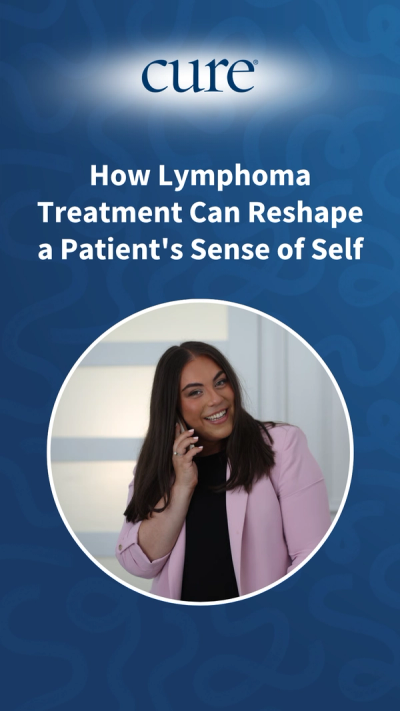
1:00
How Hair Loss During Lymphoma Treatment Can Reshape a Patient's Sense of Self
16 days ago
by
Kaitlyn M. Le
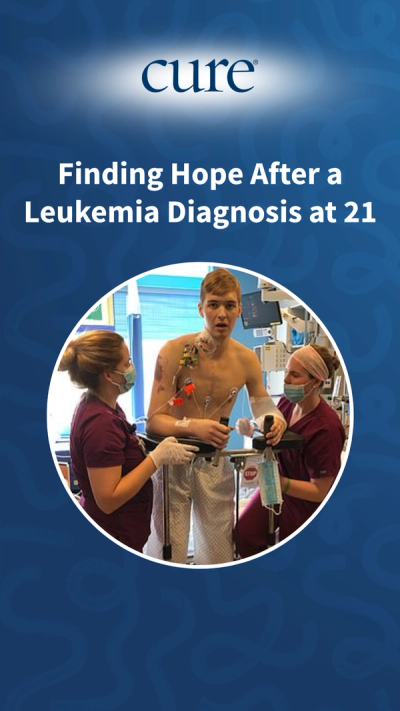
1:30
Finding Hope After a Leukemia Diagnosis at 21
22 days ago
by
Kaitlyn M. Le
1:00
The Future of CAR T Cell Therapy for Leukemia
22 days ago
by
Kaitlyn M. Le
0:42
The Era of More Chemotherapy is Over
25 days ago
by
Dr. Guenther Koehne

0:44
10 Things That Got Me Through Treatment feat. Sally Kalksma
a month ago
by
Sally Kalksma
1:10
Through LMD Treatment, Her Daughter Kept Her Going
a month ago
by
Kaitlyn M. Le
0:19
Rethinking Treatment Sequencing in HER2-Mutant Lung Cancer
a month ago
by
Kaitlyn M. Le

0:23
How AI Is Changing Cancer Care
a month ago
by
Dr. Maurie Markman










Videos

All News
Advertisement
Advertisement
A study found that 1 in 9 older cancer survivors developed a second cancer, highlighting why routine screening remains important beyond five years.
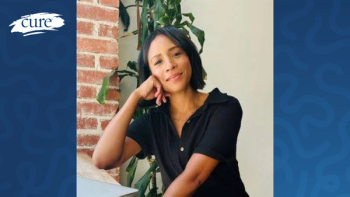
After breast cancer at 30, Aisha shares her journey through motherhood, a double mastectomy, body image struggles and the challenges of survivorship.
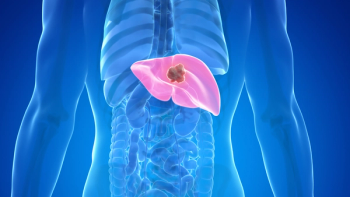
Learn why hepatitis B can reactivate during cancer treatment, which therapies increase the risk and how antiviral medicines can help protect liver health.
After her sister’s Hodgkin lymphoma diagnosis, remission and relapse, a caregiver reflects on follow-up care, guilt and finding hope between cancer battles.
After a pancreatic cancer diagnosis upended his life and career, one survivor reflects on treatment, resilience and finding hope more than a decade later.
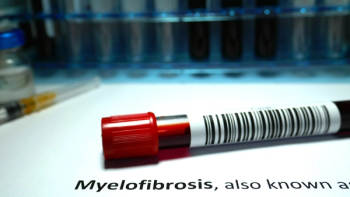
The American Society of Hematology published 2026 guidelines for adults with myelofibrosis on Oct. 14, 2026, with 10 recommendations on genetic testing, JAK inhibitors, anemia, transplant referral and aspirin.

A study found that sentinel lymph node biopsy rarely missed remaining cancer in patients with locally advanced breast cancer whose lymph nodes responded to chemotherapy before surgery.
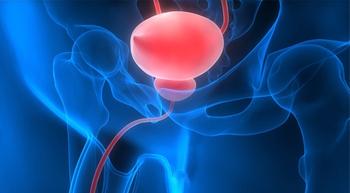
Alternating two long-used bladder treatments cleared cancer in 24 of 25 patients whose disease had returned after BCG, an early study found. A larger trial comparing the approach with BCG alone is now enrolling.

Lower income, later diagnosis and gaps in treatment drove most of the excess deaths among rural patients, according to new research.

The FDA has cleared TumorSight Risk, software that uses a patient's existing breast MRI, pathology and clinical information to estimate the chance that early HR-positive, HER2-negative breast cancer will come back within five and 10 years.
Advertisement

Emma Halligan found connection at a free New Jersey retreat for women with cancer, which held its annual walk and 5K on Oct. 17.

Twenty-four years after breast cancer, one survivor reflects on mammogram anxiety, the relief of clear results and the gratitude of living beyond cancer.

The immunotherapy may allow some patients with a specific genetic subtype of rectal cancer to avoid surgery, radiation and chemotherapy.
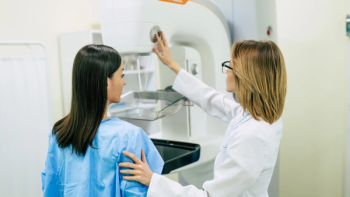
In a randomized trial of nearly 100,000 women in Germany, 3D mammography found a larger share of breast cancers at the screening visit, but its 24% lower rate of cancers found between screenings was not statistically significant.
Eileen Carter was told she had two to three years to live after a stage 4 breast cancer diagnosis. A second opinion changed her care.
Advertisement
Advertisement
Trending on CURE
1
FDA Grants Traditional Approval to Keytruda for TMB-H Solid Tumors
2
Why Cancer Screening Remains Important for Long-Term Cancer Survivors
3
Psychiatrist Answers Questions About Family and Relationships During Cancer
4
FDA Clears AI Tool Using MRI to Gauge Breast Cancer Recurrence
5