

Conference Coverage
Latest Content
Sep 24, 2026 | News
What to Do Before Your Chemo Infusion: A Checklist From People Who've Been There
How CAR-T Cell Therapy Is Changing Treatment for Childhood Leukemia
Sep 24, 2026
FDA Approves Welireg Plus Lenvima for Advanced Kidney Cancer After Immunotherapy
Sep 24, 2026

7 Breast Cancer Clinical Trials Currently Enrolling in the US
Sep 24, 2026

My Sister and I Share a BRCA2 Mutation. We Didn’t Make the Same Choices
Sep 24, 2026

Advertisement
Shorts
1:10
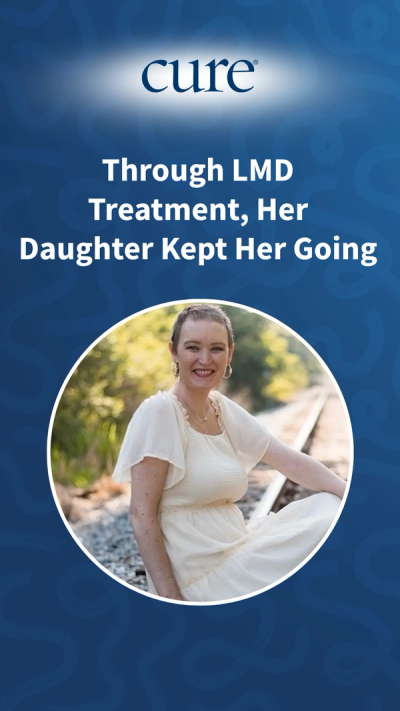
Through LMD Treatment, Her Daughter Kept Her Going
3 hours ago
by
Kaitlyn M. Le
0:19
Rethinking Treatment Sequencing in HER2-Mutant Lung Cancer
3 days ago
by
Kaitlyn M. Le
0:23
How AI Is Changing Cancer Care
3 days ago
by
Dr. Maurie Markman

0:30
Essential Advice for Cancer Caregivers
7 days ago
by
Spencer Feldman

0:35
Why Clinical Trial Deserts Are Harming Patients
14 days ago
by
Kaitlyn M. Le

1:00
The Danger of Cutting Ostomy Costs
14 days ago
by
Kaitlyn M. Le
1:00
Weight Loss After Breast Cancer Is Not One-Size-Fits-All
16 days ago
by
Kaitlyn M. Le
0:41
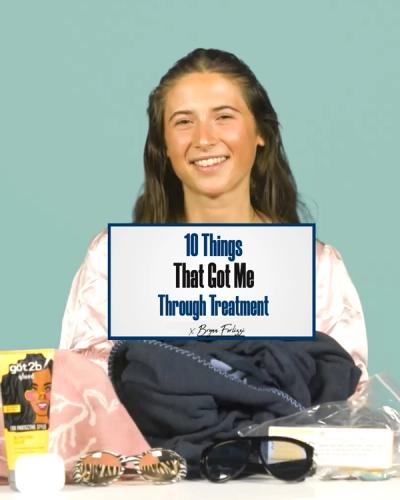
10 Things That Helped Brynn Forlizzi Through Treatment
21 days ago
by
Brynn Forlizzi

0:30
Introducing Text a Survivor, CURE's new series connecting your questions with people who've lived it.
22 days ago
by
Spencer Feldman

0:34
Lung Cancer Survivor Shares Her Journey After a Stage 2B Diagnosis
22 days ago
by
Kaitlyn M. Le








Videos

All News
Advertisement
Advertisement
After 18 years with multiple myeloma, Sally Kalksma shares 10 people, places and things that helped her stay strong through cancer treatment.
In the latest installment of CURE's "Text a Survivor" series, Brad Moore answers some of the most common questions people have about living with and beyond a colorectal cancer diagnosis.

Lyrfigtu was approved for adults with previously treated cholangiocarcinoma with an FGFR2 gene fusion or other rearrangement.
Researchers are studying whether combining CAR-T cell therapy with targeted drugs could help children with high-risk leukemia, including infants whose cancer may be more likely to return after treatment.

Mindfulness-based cancer recovery and Tai Chi/Qigong improved fatigue and how much pain interfered with daily life among cancer survivors experiencing distress, while Tai Chi/Qigong also improved sleep quality.

A breast cancer survivor reflects on the complicated meaning of pink, remembering what cancer took, those still fighting and the people behind the ribbon.
Paxalisib, first studied in brain cancer, may help HR+ breast tumors respond to CDK4/6 inhibitors again, based on early lab data.
A cancer survivor shares what to say, what not to say and how listening can help support someone through cancer treatment and beyond.
Bravnetsa is the first radioligand therapy approved through the FDA's abbreviated pathway, adding an option for adults with SSTR-positive GEP-NETs.

The investigational drug, first developed for brain cancer, is being tested to see whether it can make resistant tumors respond to treatment again.
Advertisement
Cancer research is increasingly looking beyond the tumor to understand the whole body, immune system and patient experience.
AI is becoming a growing part of cancer care. Learn how doctors are using it to navigate complex treatment decisions and support patients.
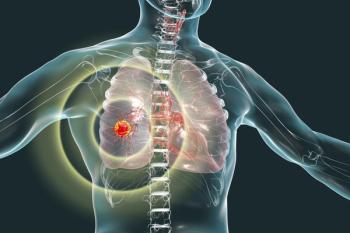
In patients with advanced ROS1-positive lung cancer who had not previously received a ROS1-targeted drug, Jideytro also shrank tumors that had spread to the brain in all 10 evaluable patients.

An estimated 70% of patients with stage 3 lung cancer do not see their tumors respond to standard treatment. An expert explains why, and what a new approach aims to change.
Living with stage IV kidney cancer for 10 years, one survivor shares how he manages scanxiety, uncertainty and the waiting between scans.
Advertisement
Advertisement
Trending on CURE
1
FDA Approves Welireg Plus Lenvima for Advanced Kidney Cancer After Immunotherapy
2
Finding the Words: How to Talk to Someone With Cancer
3
10 Things That Got Me Through Treatment feat. Sally Kalksma
4
7 Breast Cancer Clinical Trials Currently Enrolling in the US
5