
Nicole Schultz was treated for acute myeloid leukemia as a teenager. Two decades later, chronic graft-versus-host disease and ongoing survivorship monitoring remain part of her care.
Nicole Schultz was treated for acute myeloid leukemia as a teenager. Two decades later, chronic graft-versus-host disease and ongoing survivorship monitoring remain part of her care.
Dr. Priscilla Merriam discusses how sarcomas can be mistaken for benign growths like lipomas and fibroids, and why asking about a biopsy can matter before surgery.

An oncologist explains why the choice between removing one lobe or the whole thyroid should be a conversation, not a surprise.
An incidental CT scan revealed stage 1A lung cancer. After robotic surgery at Hackensack University Medical Center, Carolyn Rothfeld describes a recovery that took longer than she expected.
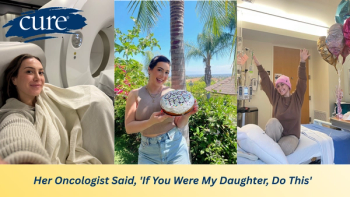
Serene Hesri was 25 when Hodgkin lymphoma was diagnosed. After relapsing, she enrolled in a clinical trial — and has been in remission for five years.
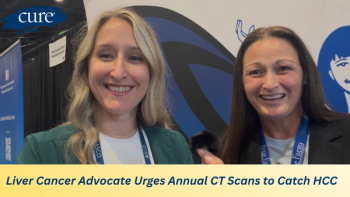
Kristie Kahl of CURE spoke with Nicole Wright Dirks, a volunteer with Blue Faery, a patient advocacy organization focused on liver cancer.
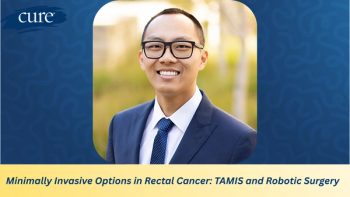
Dr. Mark Zhao of UCSF Health discusses how TAMIS and single-port robotic surgery give select rectal cancer patients less invasive care and faster recovery.
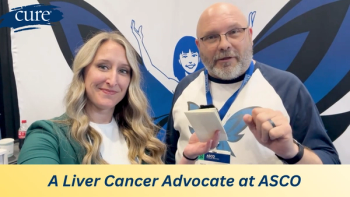
Jeff Cape, a Blue Faery volunteer and HCC caregiver, shares why patient voices matter at ASCO and what he wishes every cancer patient knew.
In episode 2 of the After Cancer Podcast, Dr. Leslie Waltke explores why the end of treatment can feel harder than anything that came before it.
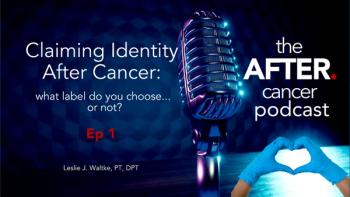
Leslie Waltke's new podcast explores how cancer labels like 'survivor,' 'patient' and 'victim' evolved — and why no single word fits everyone.
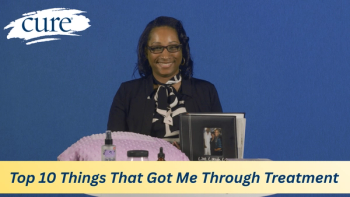
10 Things That Got Me Through Treatment ft. Kiana Wooten
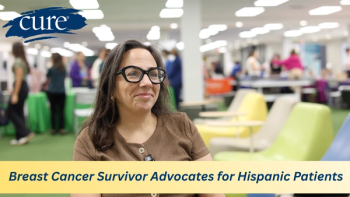
After surviving breast cancer and relapsed non-Hodgkin lymphoma, Maitte Penalver is helping Hispanic patients with cancer feel seen, heard and supported through advocacy and education.
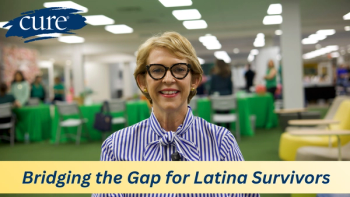
Survivorship coach Eileen Lopez Tomei discusses the unique cultural barriers Hispanic and Latina cancer survivors face and why bilingual community events matter.
After a stage 4 colon cancer diagnosis at age 40, survivor Kasia Orzechowska now advocates for early screening and self-advocacy to help save lives.
Psychologist Ian Sadler explains why many patients with cancer face anxiety and emotional challenges after treatment ends and why mental health support matters.
Dr. Emily Podany links food deserts to aggressive breast cancer mutations and shorter survival, stressing the need for social determinant screening.
Dr. Paolo Tarantino discusses the importance of strategic sequencing and drug-specific prophylaxis to optimize ADC therapy in breast cancer.
KEYNOTE-522 trial data shows adding Keytruda to chemotherapy drastically improves long-term survival for high-risk, early-stage TNBC.
A cancer survivor’s wife created a life transition binder during his treatment to organize medical, financial and household information to access details in emergencies.

Dr. Maurie Markman, joins The Moonlight Shift to discuss precision medicine's real-world limits, oncology's cost crisis, CAR-T in solid tumors, and the decision support gap costing patients.
ASCO 2026 will highlight biomarker-driven lung cancer care, targeted therapies, ADCs and phase 3 trials shaping precision oncology advances.
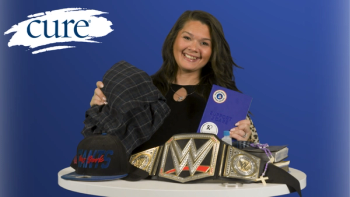
Two-time acute myeloid leukemia survivor Amanda Ferraro teamed up with CURE to share the 10 things that helped her get through cancer treatment — offering hope, strength and support for others navigating their own journey.

Michele Kranz, discussed how oncology nurse navigators like herself support patients with cancer through education, advocacy and care coordination.
A USC study finds immunotherapy increases PAD risk by 60%. Experts advise vascular monitoring to help prevent limb loss in cancer survivors.
Oncology dietitians shared smoothie and turmeric latte recipes to help patients with breast cancer manage nutrition during treatment.
MD Anderson’s trial uses psilocybin and psychotherapy to treat cancer-related anxiety, helping patients thrive through neuroplasticity.
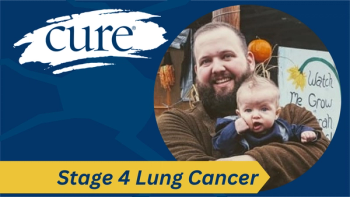
Logan Terry, who has stage 4 ALK-positive lung cancer, encouraged patients with cancer to keep living fully after diagnosis and not be defined by fear or bitterness.
Dr. Samyukta Mullangi shares how AI can help patients understand oncology visits, ask better questions, and feel more engaged in their care.
CURE spoke with Dr. Michael E. Kasper, medical director of radiation oncology at the Eugene M. and Christine E. Lynn Cancer Institute at Boca Raton Regional Hospital.
Rutgers researchers find tactical problem-solving significantly lowers anxiety and empowers young adult cancer patients to manage developmental stressors.