

Conference Coverage
about 4 hours ago
ESMO 2026 Preview: 5 Late-Breaking Trials Patients Should WatchLatest Content
Oct 12, 2026 | News
Mantle Cell Lymphoma Guidelines Let Some Patients Skip Transplant

ESMO 2026 Preview: 5 Late-Breaking Trials Patients Should Watch
Oct 12, 2026

Rectal Cancer Tumor DNA Fell From 45.8% to 8.7% After Chemotherapy
Oct 11, 2026

California Will Require Coverage of Scalp Cooling During Chemotherapy
Oct 10, 2026

Ojemda Shrank Tumors in 43% of Patients With Rare BRAF, CRAF Changes
Oct 10, 2026




Advertisement
Shorts
1:00
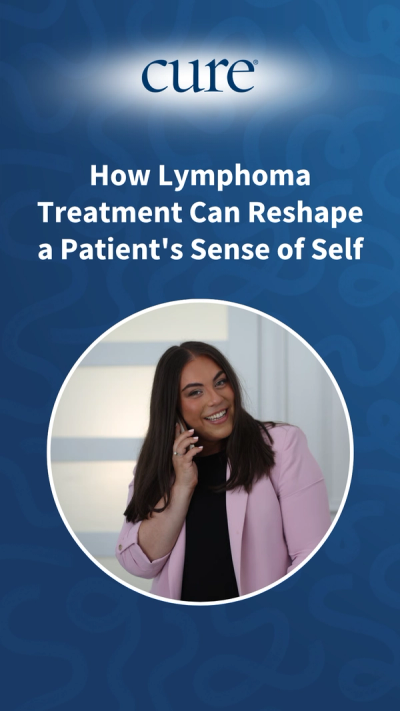
How Hair Loss During Lymphoma Treatment Can Reshape a Patient's Sense of Self
5 days ago
by
Kaitlyn M. Le
1:30
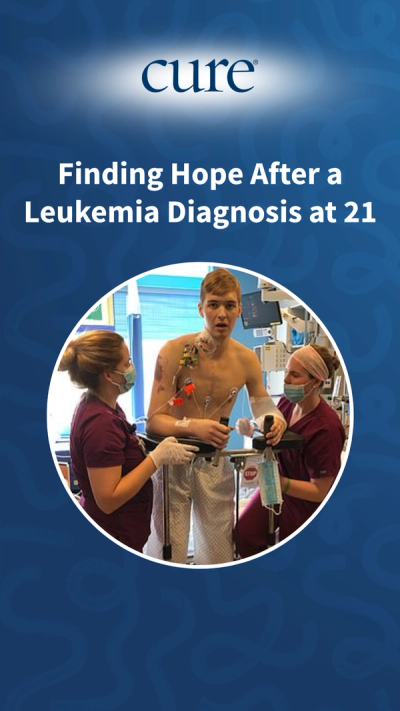
Finding Hope After a Leukemia Diagnosis at 21
11 days ago
by
Kaitlyn M. Le
1:00
The Future of CAR T Cell Therapy for Leukemia
11 days ago
by
Kaitlyn M. Le
0:42
The Era of More Chemotherapy is Over
14 days ago
by
Dr. Guenther Koehne

0:44
10 Things That Got Me Through Treatment feat. Sally Kalksma
18 days ago
by
Sally Kalksma
1:10
Through LMD Treatment, Her Daughter Kept Her Going
18 days ago
by
Kaitlyn M. Le
0:19
Rethinking Treatment Sequencing in HER2-Mutant Lung Cancer
21 days ago
by
Kaitlyn M. Le
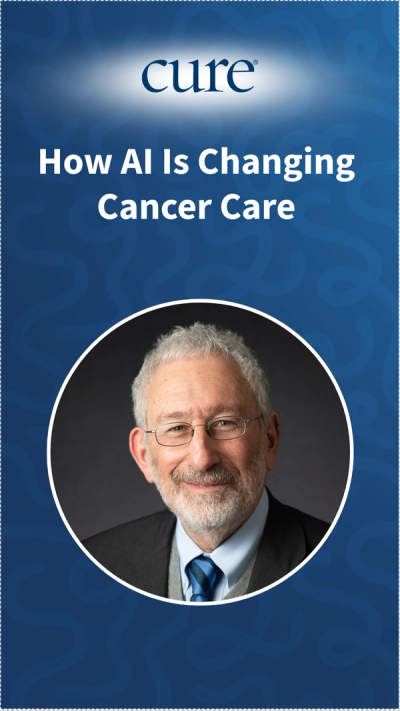
0:23
How AI Is Changing Cancer Care
21 days ago
by
Dr. Maurie Markman

0:30
Essential Advice for Cancer Caregivers
25 days ago
by
Spencer Feldman

0:35
Why Clinical Trial Deserts Are Harming Patients
a month ago
by
Kaitlyn M. Le








Videos




All News
Advertisement
Advertisement

In a video interview with CURE, Dr. Elizabeth K. Lee explained that how a treatment affects daily life matters as much as how well it works.

In the phase 3 ASAC trial, daily aspirin did not lower the risk of colorectal cancer returning after treatment for liver metastases, and serious side effects were more common.

Dr. Neel Chudgar of Montefiore Einstein answers the most searched questions about lung cancer surgery, including risks, recovery and recurrence.

Challenge yourself after cancer by building healthier habits, strengthening relationships, managing stress and embracing new experiences for a healthier life.
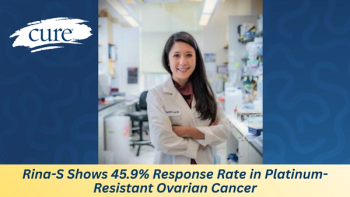
Rinatabart sesutecan shrank tumors in 45.9% of patients with platinum-resistant ovarian cancer in a phase 2 study, with responses lasting a median of 12.1 months.

The FDA withdrew Zepzelca’s accelerated approval for small cell lung cancer after the LAGOON trial failed to show longer survival. Its maintenance use with Tecentriq is unaffected.

Prostate cancer grows slowly, and while 50% of men on active surveillance eventually need treatment, waiting can mean years without side effects.

Liver and bile duct cancer treatment has changed quickly since 2021, with new immunotherapy combinations, targeted pills and a new radiation option. Here's what's been approved and what it means for patients.
Tecentriq plus chemotherapy lowered the risk of cancer returning or death by 50% versus chemotherapy alone in patients with stage 3 dMMR colon cancer.
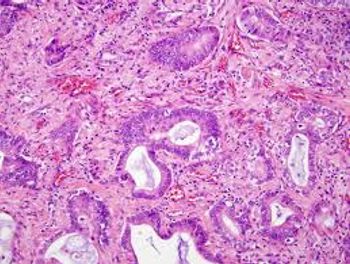
In the phase 3 MAVERICK trial, people with small cell lung cancer who had regular brain MRIs instead of preventive whole-brain radiation kept their memory and thinking intact longer, with no clear survival difference so far.
Advertisement

In a Johns Hopkins study, 64% of African American patients with myeloma received bone-modifying drugs in their first year, compared with 77% of White patients.

ASTRO’s first bladder cancer radiation guideline supports trimodal therapy as an alternative to bladder removal for select patients with muscle-invasive disease.
The FDA has granted two Breakthrough Therapy Designations to AbbVie's investigational drug Temab-A, one for use in metastatic colorectal cancer and one for non-small cell lung cancer, based on early-phase trial data.
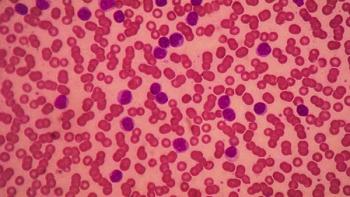
Replacing two cycles of intensive chemotherapy with Blincyto raised four-year event-free survival to 83% from 70.3% in children with high-risk B-cell ALL, with far fewer infections.

In a trial of 2,175 people with early HER2-positive breast cancer, 43.8% had no invasive cancer left after 12 weeks of a lighter regimen, and certain tumor features predicted who was most likely to respond.
Advertisement
Advertisement
Trending on CURE
1
Why PSA Monitoring Matters After a Prostate Cancer Diagnosis
2
Rectal Cancer Tumor DNA Fell From 45.8% to 8.7% After Chemotherapy
3
ESMO 2026 Preview: 5 Late-Breaking Trials Patients Should Watch
4
California Will Require Coverage of Scalp Cooling During Chemotherapy
5