




An oncology nurse recounts how her fellow nurses are compassionate, empathetic and knowledgeable towards patients with cancer.
An oncology nurse recounts how her fellow nurses are compassionate, empathetic and knowledgeable towards patients with cancer.

Women with breast cancer who undergo fertility preservation with breast cancer are more likely to give birth than those who do not, researchers report.

From the National Cancer Institute releasing promising research data into the genomic mutations that helped “exceptional responders” survive on treatment when others didn’t, to a 15-year-old Kentucky cancer survivor dying from COVID-19, here’s what’s happening in the cancer landscape this week.

Here is a list of some recent trials that launched within the cancer space in November.

The Food and Drug Administration’s approval of Danyelza comes as a result of two trials that assessed the efficacy of the drug in patients with relapsed or refractory high-risk neuroblastoma in the bone or bone marrow who did not have sufficient response to prior therapies.
This survival benefit was particularly observed in patients with node-positive disease, or cancer that spread to the lymph nodes according to pathology.

Despite a modest benefit in these patients, principal investigator Dr. Yuan Yuan said she is looking “forward to the future” with regards to therapies that integrate nonsteroidal selective androgen receptor modulators for this patient population.

Living with cancer is not dissimilar to the challenges the COVID-19 pandemic is presenting all of us, but living with cancer during this pandemic is a challenge all to itself, a tough balancing act to pull off.

We have all been told we should stay off our phone before bed, but this study proves that the outdoor light at night is truly harmful long term and could increase the risk of non-Hodgkin lymphoma.

Drugs that target certain gene mutations are improving survival rates for patients with lung cancer.

Patients with mesothelioma are living longer thanks to new drug combinations – including the first FDA-approved regimen in 15 years.

As our understanding of lung cancer broadens, experts are now looking to rare genomic alterations that lead to aggressive lung cancer.

On social media, CURE® recently asked its readers to share their thoughts on what they wish they could change about cancer care.
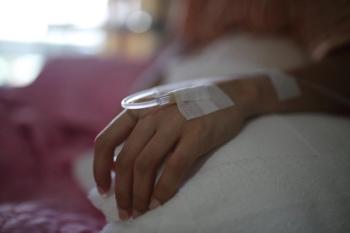
Oncology nurses provide all kinds of support to patients with cancer, but among the ways they actually deliver care, they also provide patients with a sense of calm.
Oncology nurses can do it all, and the way they help patients with cancer is invaluable.

A cancer survivor recognizes her oncology nurse who has been with her every step of the cancer journey.

A patient with cancer describes how oncology nurses are simply the best for their patients.
From actress Mindy Kaling announcing a partnership with PanCaN to raise awareness for pancreatic cancer after losing her mother to the disease, to Al Roker sharing successful prostate cancer surgery news, here’s what’s happening in the cancer landscape this week.
This combined treatment, which includes bendamustine, ofatumumab, carboplatin and etoposide, may serve as an effective bridge to stem cell transplantation.
Patients with myeloproliferative neoplasm (MPN) may benefit from this combination treatment if they are in the accelerated or blast phase of the disease.
Patients with lung cancer should take all recommended precautions against COVID-19, but they must also keep up with their cancer care, doctors advise.
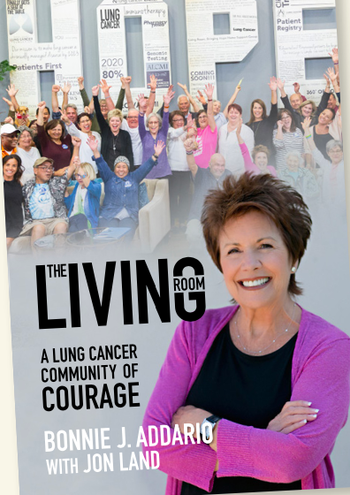
Bonnie Addario, a 16-year lung cancer survivor, shares a message of hope and invites you to ‘The Living Room.’
CURE® spoke with Dr. David Cooke, on behalf of the American Lung Association, on addressing racial disparities in lung cancer screening and care.

On social media, CURE® recently asked its readers to share what first steps they took after they received their cancer diagnosis and if there were any resources that they found particularly helpful.

Physical and mental changes from your cancer treatment will be a natural occurrence, so don't take it personally.

Topline results from the phase 3 PROTECTIVE-2 study demonstrated that plinabulin in combination with Neulasta (pegfilgrastim) significantly improved the prevention of chemotherapy-induced neutropenia, compared to the standard of care alone.
Among patients with extensive-stage small cell lung cancer, several groups were found to receive chemotherapy less often compared with White patients. They included Black, older and uninsured patients as well as those with nonprivate health insurance.
This treatment, which included dexamethasone, high-dose cytarabine and cisplatin, was well tolerated in this patient population, although longer-term follow-up is needed to see if the benefit persists.

A retrospective study of patients with COVID-19 showed that those with cancer were not more likely to experience severe symptoms or death due to the virus than those without cancer. Rather, only age and obesity were associated with poor COVID-19 outcomes.

By 2040, experts predict there will be more than 26 million cancer survivors in America. Based on findings from several studies, these survivors can expect to spend large portions of their lives managing the disease’s effect on their physical and mental well-being.