
Conference Coverage
6 days ago
5 Things to Watch at SABCS 2026Latest Content
Nov 24, 2026 | News
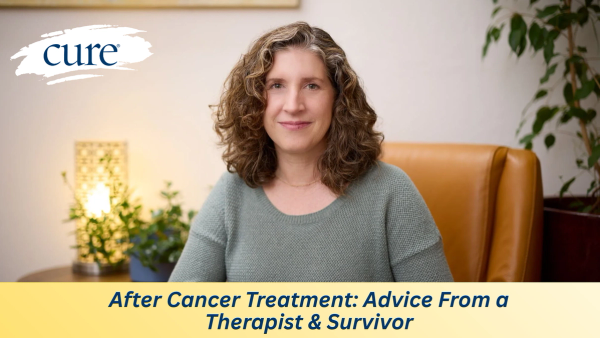
What Comes After Cancer Treatment Ends

A Psycho-Oncologist Explains How to Address Sexual Health After Cancer
Nov 24, 2026

GI Cancer: 45% of U.S. Counties Have No Local Cancer Surgeon
Nov 24, 2026

FDA Approves Ekitna Plus Sutent for Previously Treated Advanced GIST
Nov 24, 2026

Therapist and Two-Time Survivor Builds a Home for Young Women
Nov 23, 2026



Advertisement
Shorts
2:00
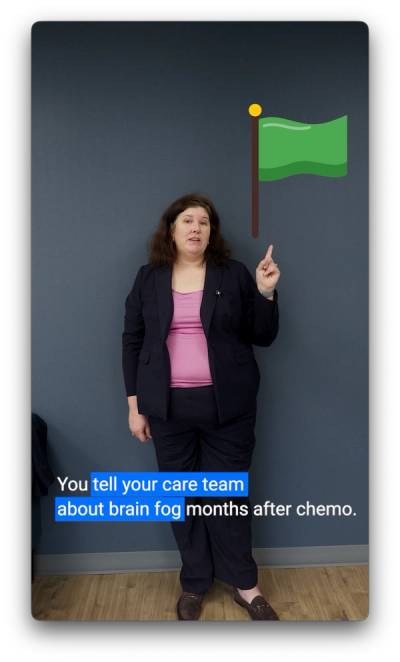
Red Flag or Green Flag? Life After Breast Cancer Treatment
3 hours ago
by
Spencer Feldman
1:02
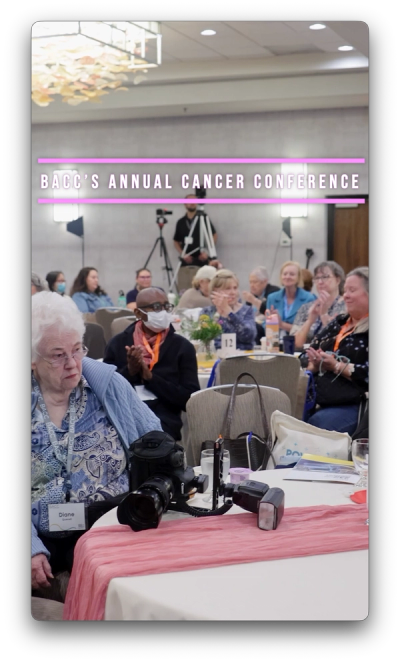
CURE at Bay Area Cancer Connections’ 23rd Annual Cancer Conference
5 days ago
by
Spencer Feldman

2:31
Red Flag Green Flag, Radioligand Edition!
7 days ago
by
Spencer Feldman
2:59
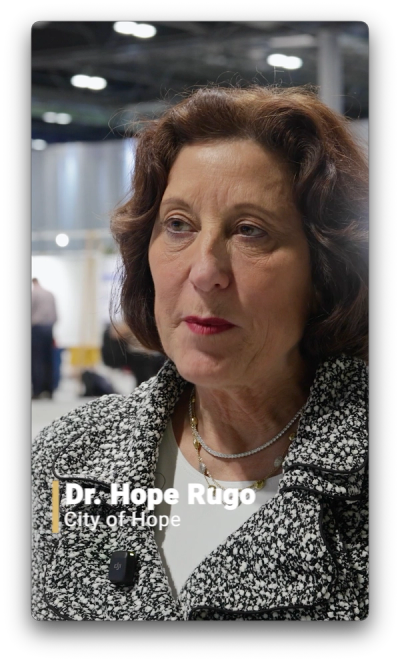
Ask Your Doctor About This Breast Cancer Test
21 days ago
by
Spencer Feldman
0:33
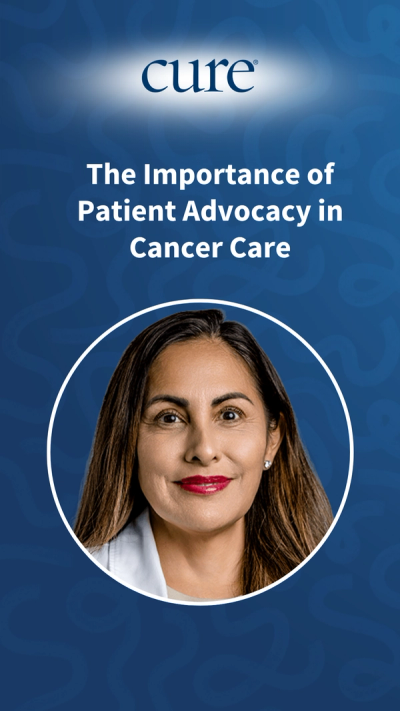
Why You Must Advocate for Your Own Health
a month ago
by
Kaitlyn M. Le
0:54
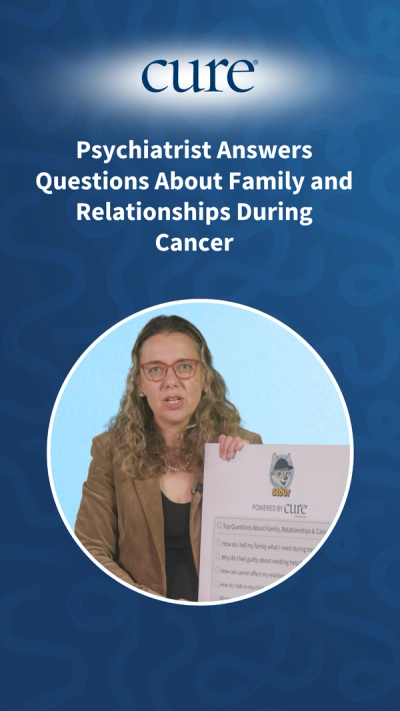
Psychiatrist Answers Questions About Family and Relationships During Cancer
a month ago
by
Dr. Yesne Alici
1:11
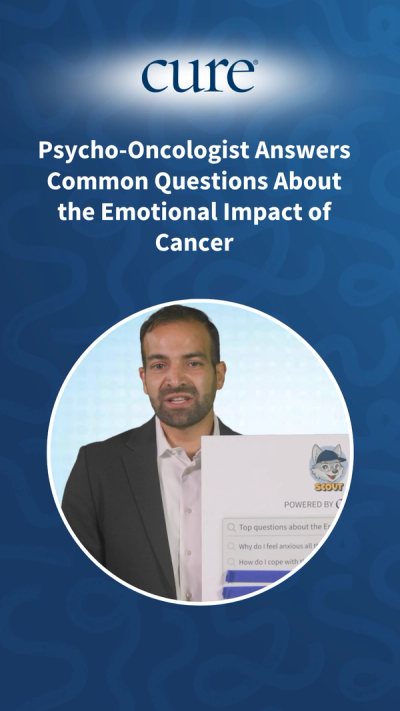
Psycho-Oncologist Answers 5 Common Questions About the Emotional Impact of Cancer
a month ago
by
Dr. Ramy Sedhom
1:40
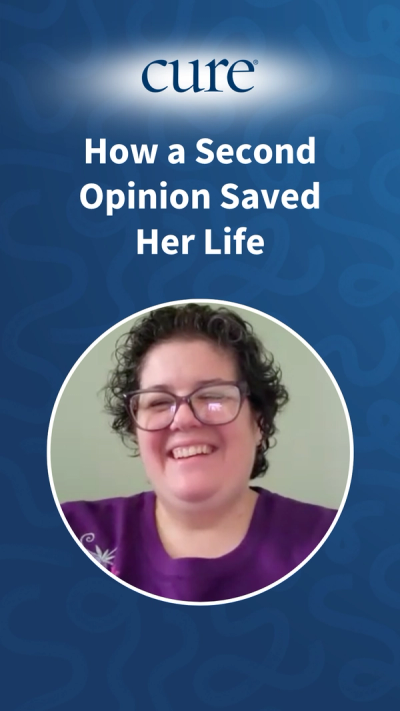
How a Second Opinion Saved Her Life
a month ago
by
Spencer Feldman
1:00
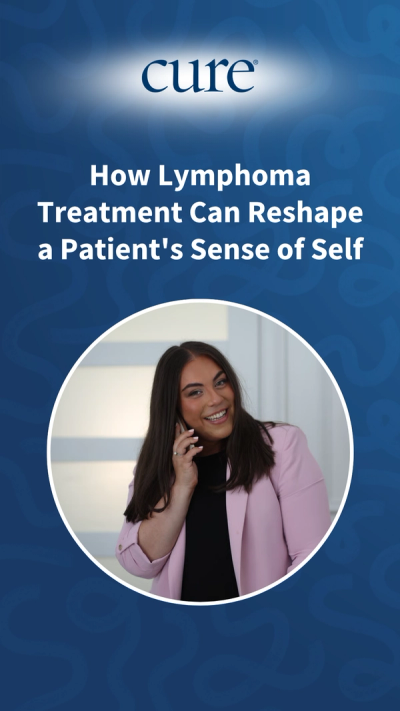
How Hair Loss During Lymphoma Treatment Can Reshape a Patient's Sense of Self
2 months ago
by
Kaitlyn M. Le
1:30
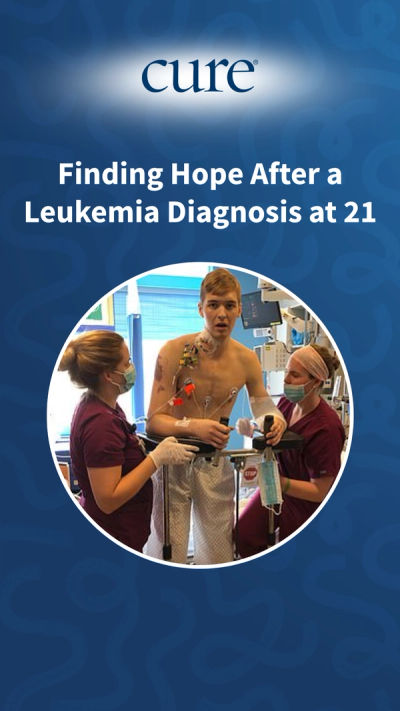
Finding Hope After a Leukemia Diagnosis at 21
2 months ago
by
Kaitlyn M. Le









Videos
All News
Advertisement
Advertisement

Deciding what to tell your children about your cancer is one of the hardest parts of a diagnosis. Guidance from the National Cancer Institute and a doctor who raised three young kids through cancer can help you begin.
From a daily pill for pancreatic cancer to immunotherapy that lets some people with rectal cancer skip surgery, here are five FDA approvals from 2026 for colorectal, pancreatic and stomach cancers.

In the phase 3 lidERA trial, Wilserdly lowered the risk of invasive breast cancer returning or death by 30% compared with standard endocrine therapy.

The FDA is set to decide by Nov. 30 on Wilserdly after surgery for early ER-positive breast cancer. Here's what the lidERA trial showed.
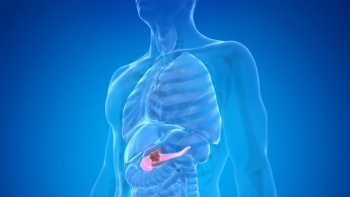
Rasonque plus chemotherapy shrank tumors in 60.7% of people with untreated metastatic pancreatic cancer, with responses lasting a median of 11.1 months.

Vicki McGrath, a Bay Area Cancer Connections board member, talks about fatigue, fear of movement and the role of peer support in post-surgery exercise.
At its 23rd annual conference, Bay Area Cancer Connections described how donations and volunteers fund services for people facing cancer’s medical, financial and practical costs.
On World Pancreatic Cancer Day, here are five numbers from the American Cancer Society's 2026 report that people with pancreatic cancer and their families should understand, and what those numbers can and cannot say about one person's outlook.
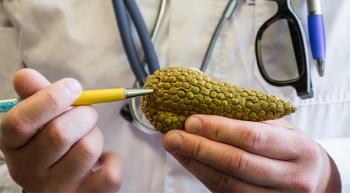
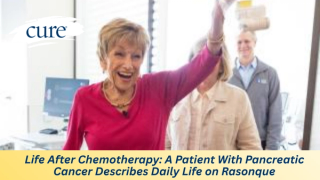
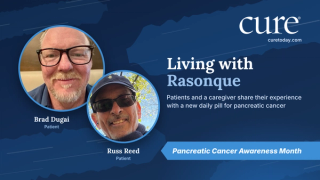
Rasonque (daraxonrasib), the first approved drug to directly target RAS in pancreatic cancer, nearly doubled survival in a key trial. Two patients, a caregiver and the professionals who care for people like them explain what it means to live with the disease.
Colleen Carvalho, chief mission officer at Bay Area Cancer Connections, explains the emotional and practical needs that often go unaddressed after a diagnosis.
Advertisement
Claudine Joseph, board president of Bay Area Cancer Connections, shares her mother’s breast cancer experience and why peer support matters for all patients.

Hot flashes are common during and after breast and prostate cancer treatment. Here is how hormone treatments compare with the nonhormonal medicines, therapies and comfort steps that national guidelines list, and why the right choice depends on your cancer.

For people who already have cancer, quitting smoking can help treatment work and the body heal, and the National Cancer Institute says it improves the outlook for cancer patients. Here is what quitting can do and where to find free help.

Copay cards, drugmaker assistance programs and charity foundations each help with cancer drug costs in different ways, and Medicare rules change which ones you can use. Here is how each works and where to start.

Long-term Kisqali data, a new targeted drug, blood tests and AI are among the topics to watch at the 2026 San Antonio Breast Cancer Symposium.
Advertisement
Advertisement
Trending on CURE
1
FDA Approves Wilserdly to Lower Recurrence Risk in Early Breast Cancer
2
FDA Approves Ekitna Plus Sutent for Previously Treated Advanced GIST
3
5 GI Cancer FDA Approvals From 2026 Patients Should Know
4
Therapist and Two-Time Survivor Builds a Home for Young Women
5