


Conference Coverage
7 days ago
5 Things to Watch at SABCS 2026Latest Content


Advertisement
Shorts
1:05
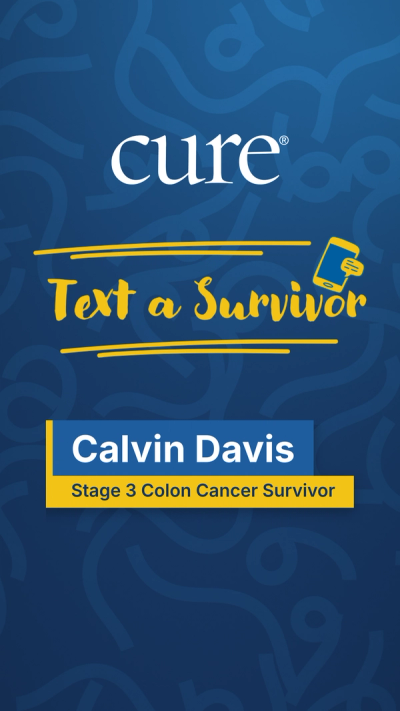
Text a Survivor with Stage 3 Colon Cancer Survivor
an hour ago
by
Spencer Feldman
2:00
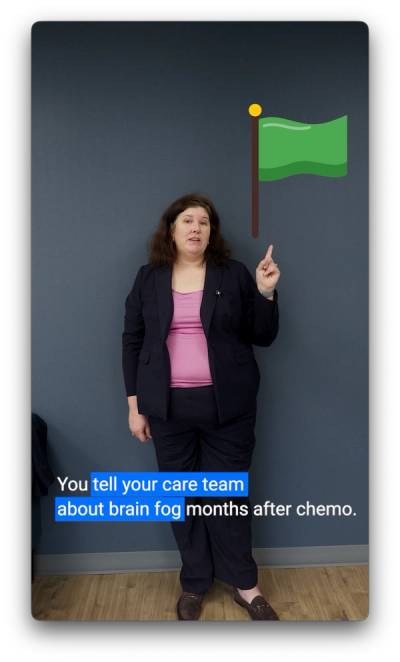
Red Flag or Green Flag? Life After Breast Cancer Treatment
a day ago
by
Spencer Feldman
1:02
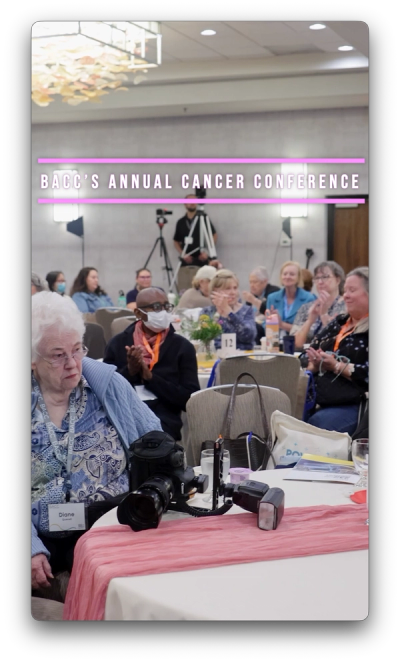
CURE at Bay Area Cancer Connections’ 23rd Annual Cancer Conference
6 days ago
by
Spencer Feldman
2:31
Red Flag Green Flag, Radioligand Edition!
8 days ago
by
Spencer Feldman
2:59
Ask Your Doctor About This Breast Cancer Test
22 days ago
by
Spencer Feldman
0:33
Why You Must Advocate for Your Own Health
a month ago
by
Kaitlyn M. Le
0:54
Psychiatrist Answers Questions About Family and Relationships During Cancer
a month ago
by
Dr. Yesne Alici
1:11
Psycho-Oncologist Answers 5 Common Questions About the Emotional Impact of Cancer
a month ago
by
Dr. Ramy Sedhom
1:40
How a Second Opinion Saved Her Life
a month ago
by
Spencer Feldman
1:00
How Hair Loss During Lymphoma Treatment Can Reshape a Patient's Sense of Self
2 months ago
by
Kaitlyn M. Le






Videos
All News
Advertisement
Advertisement
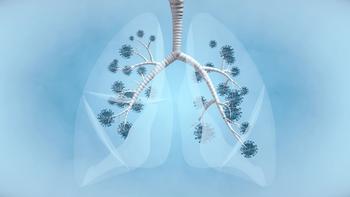
For ALK-positive lung cancer, five-year CROWN trial results show 60% of people taking Lorbrena first were alive without cancer growth, versus 8% on an older drug. Here is who can take it, how it is dosed and how side effects such as high cholesterol and mood changes are managed.

Cancer treatment can change appetite, taste and how food sits, but practical steps backed by the National Cancer Institute, the American Cancer Society and ASCO can help people get the protein and calories they need, safely.
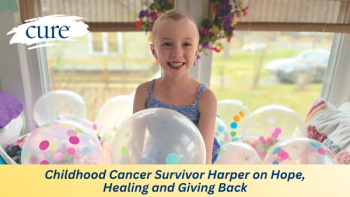
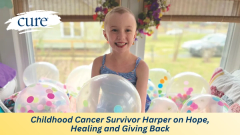
Diagnosed with leukemia at 8 during the COVID-19 pandemic, Harper looks back on the people, pets and purpose that got her through treatment.
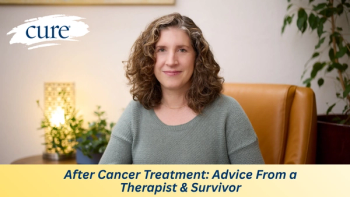
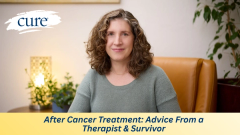
Psychotherapist and two-time breast cancer survivor Ann Rivello explains why the end of treatment can feel isolating, and how support groups, a point person and breaks from cancer can help.

Psycho-oncologist Joycelyn Lee, PhD, MBA, explains the emotional side of sexual health after cancer and how patients and partners can reconnect.

Nearly half of U.S. counties, home to 26.6 million people, have no local surgeon who operates on digestive cancers, and those counties had higher death rates from colorectal, pancreatic and liver and bile duct cancers, a national study found.

The FDA approved Ekitna with Sutent for adults with advanced GIST previously treated with Gleevec, based on results from the phase 3 PEAK trial.
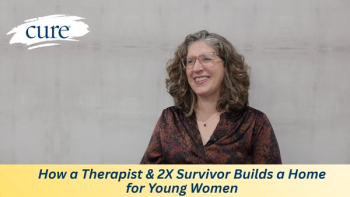
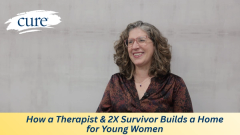
After her own breast cancer diagnosis at 38, psychotherapist Ann Rivello started the Young Women's Group at Bay Area Cancer Connections so others could see someone who'd made it through.

Deciding what to tell your children about your cancer is one of the hardest parts of a diagnosis. Guidance from the National Cancer Institute and a doctor who raised three young kids through cancer can help you begin.
From a daily pill for pancreatic cancer to immunotherapy that lets some people with rectal cancer skip surgery, here are five FDA approvals from 2026 for colorectal, pancreatic and stomach cancers.
Advertisement

In the phase 3 lidERA trial, Wilserdly lowered the risk of invasive breast cancer returning or death by 30% compared with standard endocrine therapy.
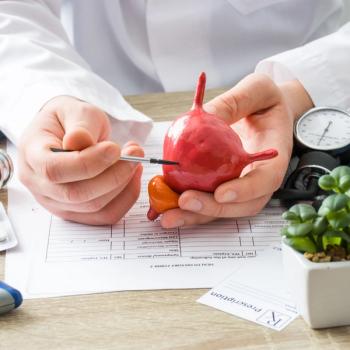
The FDA is set to decide by Nov. 30 on Wilserdly after surgery for early ER-positive breast cancer. Here's what the lidERA trial showed.
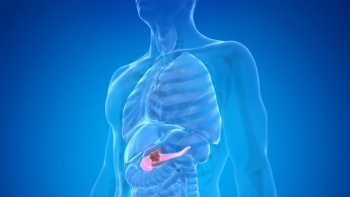
Rasonque plus chemotherapy shrank tumors in 60.7% of people with untreated metastatic pancreatic cancer, with responses lasting a median of 11.1 months.

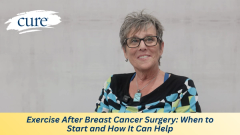
Vicki McGrath, a Bay Area Cancer Connections board member, talks about fatigue, fear of movement and the role of peer support in post-surgery exercise.
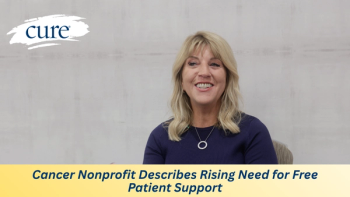
At its 23rd annual conference, Bay Area Cancer Connections described how donations and volunteers fund services for people facing cancer’s medical, financial and practical costs.
Advertisement
Advertisement
Trending on CURE
1
FDA Approves Wilserdly to Lower Recurrence Risk in Early Breast Cancer
2
Oncology Yoga as a Healing Modality After Breast Cancer
3
Childhood Cancer Survivor Harper on Hope, Healing and Giving Back
4
Am I Different After Cancer? Living With Follicular Lymphoma
5